How to avoid hidden installation fees: A Comprehensive Contracting and Cost Control Guide
Capital improvement initiatives across the residential remodeling sector present complex financial and legal challenges. Homeowners executing structural renovations, fenestration retrofits, or mechanical system upgrades frequently encounter unexpected financial liabilities. Initial price estimates provided by trade contractors often expand through unvetted line items, mid-project change orders, and site accessibility surcharges. How to avoid hidden installation fees. These budget overruns strain household finances and undermine project viability.
Navigating contractor pricing structures requires moving past superficial verbal assurances. A construction estimate functions as a preliminary legal baseline rather than a guaranteed financial cap. Final project costs depend on scope clarity, site pre-inspection rigor, structural framing conditions, and waste disposal terms. Approving ambiguous bids without scrutinizing technical line items exposes property owners to unexpected billing adjustments.
Achieving complete cost predictability demands a systematic procurement methodology. Property managers, legal advisors, and experienced construction auditors analyze contract language, labor classifications, and site contingencies to mitigate financial risk. Mastering techniques regarding how to avoid hidden installation fees empowers clients to audit construction bids with legal precision and technical discipline.
Understanding “how to avoid hidden installation fees”
Defining Scope Ambiguity in Construction Contracts
Learning how to avoid hidden installation fees is often misunderstood as simply demanding low lump-sum quotes. Many homeowners assume that receiving a single price estimate guarantees full financial protection against future billing changes. Construction attorneys and building auditors recognize that vague contract language creates fertile ground for supplemental invoices. Contractors frequently omit basic site preparation, waste haulage, or permit acquisition fees from initial bids to present artificially low proposals.
Industry Pricing Dynamics and Commission Models
A primary driver of cost inflation stems from structural sales incentives within high-volume remodeling firms. Commissioned sales representatives routinely present standardized pricing packages that omit site-specific labor requirements. When field installation crews encounter unexpected structural framing rot, high-altitude access constraints, or non-standard opening dimensions, supplemental change orders are immediately generated. These unexpected surcharges shift financial burdens directly back onto property owners.
Risks of Unvetted Proposal Acceptance
Accepting construction proposals without enforcing line-item transparency introduces severe financial and legal liabilities. Unclear contracts allow contractors to charge premium rates for basic structural modifications or interior trim restoration. Furthermore, ambiguous agreements leave property owners vulnerable to material supplier liens if contractors fail to allocate funds properly. True protection requires establishing strict contractual scope limits before work begins.
Deep Contextual Background
Historical Shift in Residential Contracting Models
The residential remodeling industry experienced significant structural shifts over past decades. Historically, home improvements relied on direct labor agreements with local trade carpenters who provided itemized material invoices and hourly labor logs. This traditional approach allowed direct oversight and clear cost tracking across every job phase.
Emergence of High-Volume Sales Franchises
Late-twentieth-century market consolidation introduced large retail remodeling franchises operating on high-margin sales models. These firms popularized turnkey bundling strategies that packaged materials, delivery, and labor into fixed per-unit prices. While this marketing approach simplified consumer purchasing, it obscured real labor costs and introduced hidden surcharge clauses within fine print agreements.
Regulatory Protections and Disclosure Laws
Consumer protection agencies and state licensing boards established mandatory contract disclosure laws to curb predatory billing practices. Regulations now require contractors to provide detailed written change orders signed by clients before executing extra work. Understanding this regulatory framework helps property owners enforce contractual rights during construction disputes.
Conceptual Frameworks and Mental Models
The Scope Boundary Isolation Model
This mental model categorizes every job requirement into explicit contractual buckets: included primary scope, explicit exclusions, and contingent line items. Defining boundaries prevents contractors from classifying basic installation steps as billable extras.
The Pre-Execution Site Verification Theorem
Thorough pre-construction site inspections eliminate structural surprises. Contractors who conduct rigorous preliminary reviews, including wall moisture checks and framing squareness measurements, provide accurate lump-sum quotes that prevent unexpected site surcharges.
The Change Order Isolation Protocol
This framework dictates that no extra work proceeds without a written, itemized change order signed by the property owner. Defining labor rates and material markups in advance prevents contractors from inflating emergency billing fees mid-project.
Key Categories and Surcharge Variations
Executing a successful home improvement project requires identifying common hidden fee structures. Contracting firms utilize distinct surcharge mechanisms to increase final invoice totals.
Structural Remediation Surcharges
Fees charged when installers discover rotted wall framing, damaged headers, or water-saturated subflooring during tear-out. While structural repairs require extra labor, contractors often charge inflated emergency rates if repair pricing is omitted from master contracts.
Site Accessibility and Rigging Fees
Surcharges applied to properties featuring multi-story openings, steep terrain, or limited driveway access. Installers require specialty scaffolding, boom lifts, or manual material transport, generating unexpected line-item invoices.
Waste Disposal and Environmental Surcharges
Costs associated with hauling away old building materials, hazardous lead paint abatement, or toxic seal disposal. Vague proposals often leave waste fees unlisted, resulting in unexpected post-installation disposal bills.
Interior and Exterior Finishing Inclusions
Extra charges billed for installing exterior aluminum capping, repairing interior drywall, or reattaching decorative casing trim. Discount contractors frequently strip finishing labor from base bids to present lower initial estimates.
Municipal Permitting and Administrative Fees
Charges incurred for filing local building permits, engineering calculations, or historic preservation documentation. Contractors may bill administrative markups on top of base municipal permit fees.
Material Storage and Delivery Line Items
Surcharges applied for warehousing custom window units, multi-stage delivery logistics, or job site protection materials.
| Surcharge Category | Typical Cost Impact | Frequency of Occurrence | Primary Contract Mitigation Strategy |
| Structural Remediation | High ($500 – $2,500+) | Moderate | Pre-negotiated hourly framing repair rates |
| Site Rigging / Scaffolding | Moderate ($300 – $1,200) | Location Dependent | Mandatory pre-bid physical site survey |
| Waste Disposal & Hauling | Low to Moderate ($150 – $600) | High | Explicit inclusion of disposal in master scope |
| Trim & Capping Restoration | Moderate ($400 – $1,500) | High | Detailed line-item finish specifications |
| Permit Markups | Low ($100 – $400) | Moderate | Direct municipal fee reimbursement clauses |
Decision Logic for Fee Avoidance
Property owners should establish explicit contract protections before signing agreements. If a home was built before 1978, lead-safe work practices must be explicitly included within the base proposal rather than added later as an environmental surcharge. For multi-story renovations, site access conditions must be documented during preliminary walk-throughs to eliminate unexpected equipment rental fees.
Detailed Real-World Scenarios How to avoid hidden installation fees
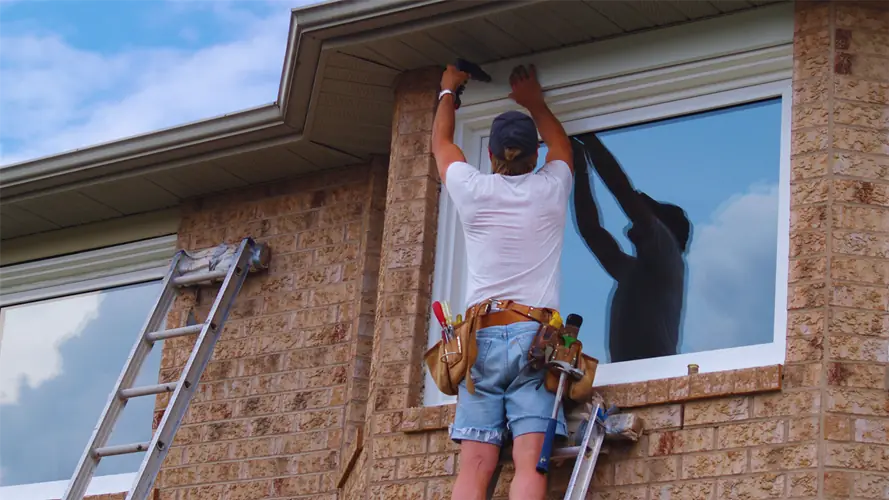
Scenario A: Multi-Story Window Replacement
-
Constraints: Replacing twelve windows on a three-story historic residence with narrow side yards and steep roof lines.
-
Decision Points: Accepting a generic base bid versus demanding a binding proposal that explicitly includes scaffolding assembly and staging labor.
-
Failure Modes: Accepting an unvetted estimate leads to a $2,000 supplemental rigging surcharge on installation day.
-
Second-Order Effects: Requiring a pre-bid site walk-through forces the contractor to include scaffolding costs within the fixed master contract, preventing unexpected budget overruns.
Scenario B: Hidden Framing Decay Discovery
-
Constraints: Removing old wood-clad sills reveals concealed water damage and rotted structural studs underneath.
-
Decision Points: Allowing contractors to charge open-ended hourly rates versus utilizing a pre-negotiated structural repair price schedule.
-
Failure Modes: Leaving repair rates unstated allows the installer to bill double market rates for basic carpentry repairs.
-
Second-Order Effects: Establishing a pre-agreed hourly framing rate of $85 locks in reasonable repair costs, protecting project capital reserves.
Scenario C: Interior Finish Casing Stripping
-
Constraints: Installing full-frame replacement units in a home with custom interior hardwood casing trim.
-
Decision Points: Assuming trim restoration is included versus requiring explicit line-item confirmation of trim reattachment and painting.
-
Failure Modes: Installers leave interior wall openings bare, claiming interior trim work fell outside their base installation scope.
-
Second-Order Effects: Specifying full interior trim reinstallation in the initial master scope prevents costly third-party carpentry hire.
Scenario D: Municipal Permit Markup Invoicing
-
Constraints: High-value structural renovation requiring local building permits and historic preservation board reviews.
-
Decision Points: Allowing contractor flat-fee permit estimates versus specifying direct cost reimbursement for municipal filing fees.
-
Failure Modes: Contractors add a 100% administrative markup to base municipal permit charges.
-
Second-Order Effects: Writing a direct-cost permit clause eliminates arbitrary administrative markups, saving hundreds of dollars.
Planning, Cost, and Resource Dynamics
Direct and Indirect Financial Allocations
Budgeting for major home renovations requires establishing financial reserves for contingent structural costs. Direct costs encompass material fabrication, scheduled installation labor, flashing membranes, and municipal permits. Indirect costs include waste disposal, scaffolding rentals, and potential drywall touch-ups. Reserving a ten to fifteen percent contingency fund protects property owners when genuine structural remediation is required.
Understanding Price Variability Mechanisms
Contractor quotes vary substantially based on business overhead, sales structures, and sub-contracting models. Direct-sales remodeling franchises build high marketing budgets into base unit margins, whereas independent trade contractors offer lower baseline costs but may charge extra for specialized site equipment.
| Expense Category | National Average Range | Common Omission Risks |
| Base Window Unit & Labor | $600 – $1,800 Per Unit | Excludes custom trim, flashing, and disposal |
| Structural Stud Repair | $75 – $150 Per Hour | Omitted from base bids; billed as emergency labor |
| Scaffolding / Lift Rental | $300 – $1,500 Per Job | Added after bid acceptance for high elevation |
| Debris Hauling & Disposal | $200 – $600 Per Job | Left unlisted; billed separately post-installation |
Tools, Strategies, and Support Systems
Specialized Contract Auditing Tools
-
Scope Cross-Reference Checklists: Itemized templates designed to compare inclusions across competing contractor proposals.
-
Line-Item Bidding Sheets: Standardized forms that require contractors to break down material, labor, and disposal costs separately.
-
Pre-Construction Digital Surveys: Photographic documentation of existing job site conditions to prevent false damage claims.
-
State Licensing Verification Portals: Official databases used to check contractor licensing, insurance coverage, and complaint records.
Professional Support Infrastructure
-
Construction Contract Attorneys: Legal experts who review high-value agreements to eliminate ambiguous surcharge language.
-
Certified Building Inspectors: Independent professionals who verify completed structural framing work before progress payments are released.
-
Third-Party Escrow Services: Financial platforms that hold project funds until site inspections confirm successful job completion.
Risk Landscape and Failure Modes
Uncapped Change Order Exposure
A major financial failure mode occurs when master contracts contain open-ended change order clauses. Installers encounter minor site obstacles and execute expensive modifications without obtaining prior written approval from property owners.
Front-Loaded Deposit Disbursement
Releasing large upfront cash deposits before materials arrive or installation begins eliminates contractor accountability. If financial disputes arise later, contractors may abandon job sites while holding client capital.
Supplier and Subcontractor Mechanics’ Liens
If general contractors fail to pay material suppliers or sub-crews, suppliers can file mechanics’ liens against the client’s home, forcing double payment for materials.
Governance, Maintenance, and Long-Term Adaptation
Contract Governance and Payment Milestones
Effective project management requires tying financial disbursements directly to verifiable completion milestones. Homeowners should establish a clear payment schedule: ten percent deposit upon contract signing, forty percent upon material delivery, forty percent upon installation completion, and a final ten percent holdback following successful municipal inspection.
Inspection and Release Triggers
-
Pre-Work Trigger: Inspect job site material deliveries to confirm unit specifications match approved order sheets before installation starts.
-
Mid-Work Trigger: Verify exposed rough wall openings after old frame removal to approve necessary framing repairs before new units are mounted.
-
Final Release Trigger: Conduct a thorough final walkthrough and receive signed lien waivers from all suppliers before releasing final holdback funds.
Long-Term Record Retention
-
Archive signed contracts, itemized change orders, and building permits in a permanent home record file.
-
Keep supplier lien release waivers and manufacturer warranty certificates securely filed.
-
Record pre- and post-installation photographs to document completed job quality.
Measurement, Tracking, and Evaluation
Leading and Lagging Indicators
Leading indicators include securing itemized bids, verifying active liability insurance, and enforcing pre-negotiated repair rates. Lagging indicators encompass final project budget variance, zero post-project lien filings, and complete satisfaction with installed finishes.
Documentation Standards
-
Maintain a digital folder containing signed proposals, approved shop drawings, and change order receipts.
-
Archive written email communications regarding project schedule adjustments and scope clarifications.
-
Record thermal camera reports before and after installation to document structural sealing quality.
Common Misconceptions and Oversimplifications How to avoid hidden installation fees
Myth 1: Low Base Bids Always Save Money
Discount contractors frequently present low initial estimates while hiding essential labor steps in fine print, resulting in inflated final invoices.
Myth 2: Verbal Promises from Sales Reps Are Legally Binding
Contract clauses explicitly state that written contract terms supersede all verbal promises made by sales representatives during presentations.
Myth 3: Change Orders Are Always Unavoidable
Thorough pre-construction site surveys identify access limits and framing conditions early, eliminating ninety percent of mid-project change orders.
Myth 4: Fixed-Price Contracts Cover Every Surprise
Fixed-price agreements protect against routine labor overruns but typically contain explicit clauses excluding concealed water rot or structural defects.
Myth 5: Contractors Handle Permit Fees Out of Base Profits
Permit fees are almost universally passed through to clients, often carrying administrative markups unless capped by written agreement.
Myth 6: Deposits Must Be Paid Entirely in Cash
Paying deposits via credit cards or escrow services provides legal chargeback protections if contractors fail to deliver specified materials.
Ethical, Practical, and Contextual Considerations
Protecting household finances requires balancing rigorous cost accounting with fair business practices. Experienced contractors deserve equitable compensation for unexpected structural remediation work. Enforcing transparent contracting standards fosters professional accountability and protects reputable trade businesses from unfair price competition. Learning how to avoid hidden installation fees supports ethical business practices and ensures property owners receive lasting value from capital investments.
Conclusion
Navigating residential construction contracts requires analytical discipline, technical understanding, and careful review of legal terms. Mastering strategies regarding how to avoid hidden installation fees demands looking past commercial marketing to enforce line-item clarity, pre-negotiated repair rates, and structured payment milestones. Property owners who manage renovation projects with methodical rigor protect household capital, eliminate financial surprises, and ensure high-quality construction outcomes for decades to come.