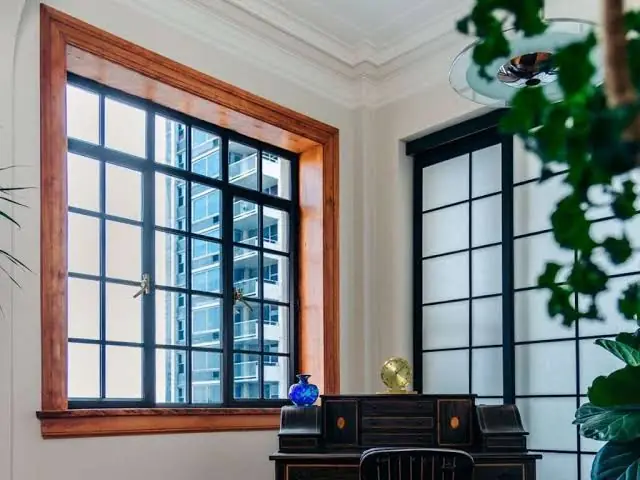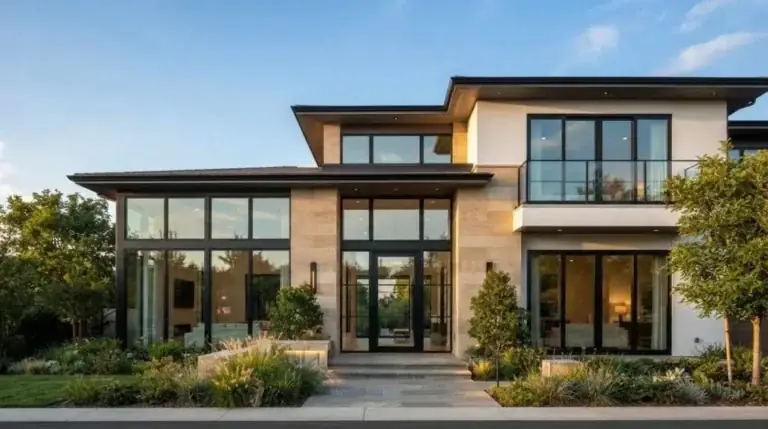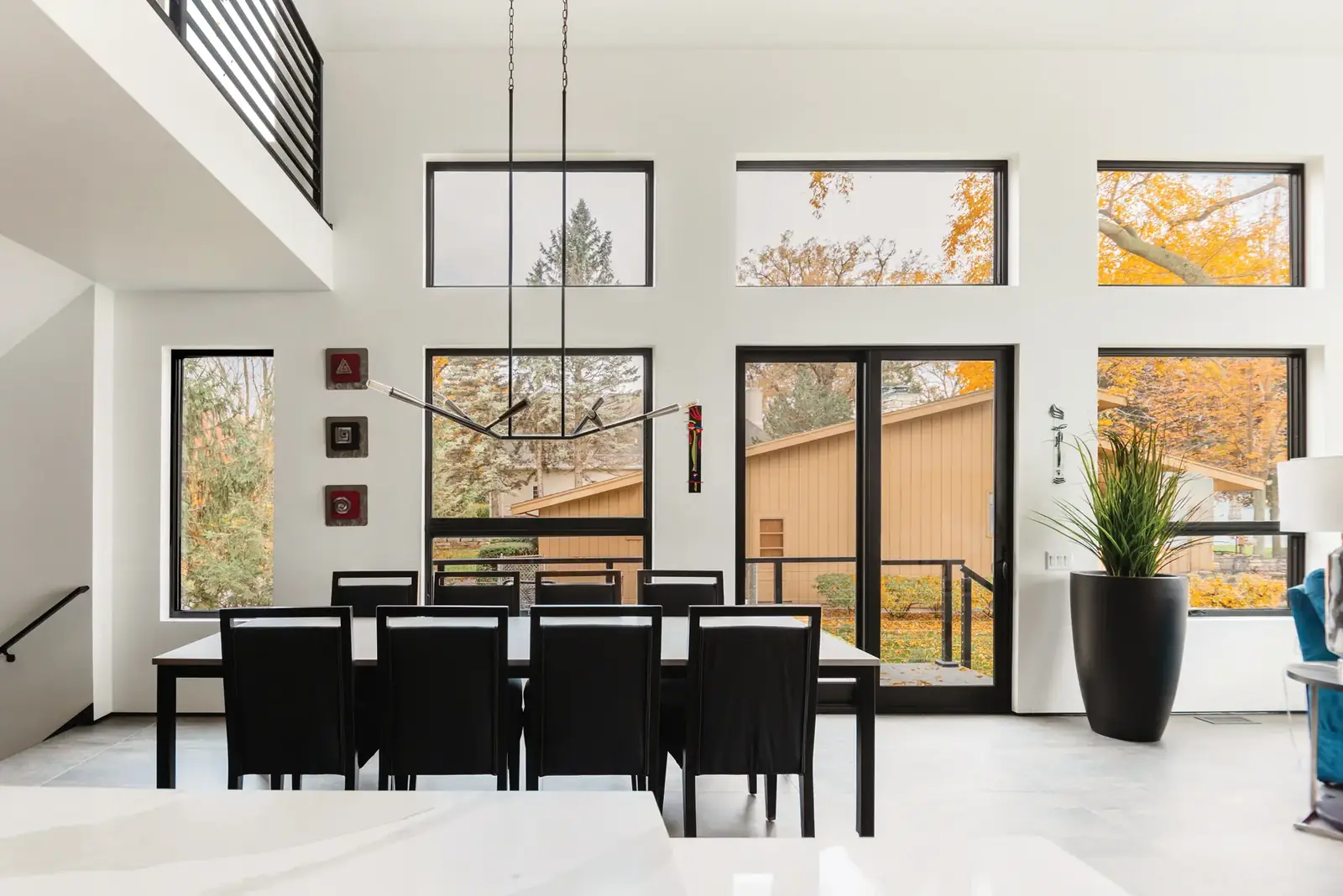
Best Natural Light Window Styling in the US: Architectural Daylighting Mechanics and Interior Design
Architectural daylighting across North American interiors operates at an intricate boundary of building science, optical physics, and interior spatial aesthetics. Windows serve as primary portals for solar radiation, bringing natural illumination, ambient warmth, and exterior visual connection into living environments. When fenestration styling is executed without technical understanding, indoor environmental quality declines rapidly. Best Natural Light Window Styling in the US. Unbalanced window treatments induce harsh glare, uneven illumination gradients, rapid textile fading, and severe thermal discomfort across interior living spaces.
Evaluating natural light styling requires looking far beyond superficial fabric selection, curtain rod finishes, or retail decor trends. Interior designers, daylighting engineers, and architectural consultants evaluate visible light transmittance, solar heat gain coefficients, glare control indices, and spatial light distribution patterns. A window treatment assembly must balance natural illumination with privacy requirements, glare reduction, and UV filtration while complementing architectural proportions over decades of use.
Achieving optimal daylight distribution demands a disciplined, analytical methodology. Facade engineers, lighting designers, and interior specialists analyze solar orientation angles, microclimate light intensity variations, optical diffusion fabrics, and automated shading systems. Mastering technical principles regarding the best natural light window styling in the us empowers design professionals and homeowners to craft daylight-filled living spaces that prioritize visual comfort, energy efficiency, and spatial harmony.
Understanding “best natural light window styling in the us”
Multi-Perspective Analysis of Daylighting Design
Evaluating the best natural light window styling in the us is frequently misunderstood as simply maximizing glass openness or installing sheer white curtains across every opening. Many property owners assume that maximum light entry automatically guarantees superior interior aesthetics. Daylighting consultants and interior architects evaluate window styling through a site-specific optical lens. Superior daylight styling balances natural illumination levels, glare diffusion, privacy thresholds, and solar heat control against regional geographic latitudes.
Geographic Latitudes and Light Quality Variations
A primary source of styling failure involves ignoring geographical latitude variations across North America. Direct sunlight in southern desert regions like Arizona delivers intense, high-angle foot-candles that require heavy solar diffusion and UV filtration. Conversely, northern regions like the Pacific Northwest experience diffuse, overcast daylight that demands high visible light transmittance fabrics to capture soft ambient illumination without darkening interior rooms.
Risks of Oversimplifying Fenestration Styling
Specifying dark, heavy draperies across north-facing window openings starves interior spaces of ambient sky-glow, forcing occupants to rely on artificial electric lighting during daytime hours. Conversely, leaving unshaded south-facing floor-to-ceiling glass openings subjects interior furnishings to severe solar UV radiation and blinding glare. True daylighting excellence aligns window treatment mechanics directly with solar geometry, room orientation, and spatial function.
Deep Contextual Background
Historical Evolution of Interior Daylighting
American interior window styling evolved through distinct historical and architectural eras over the past two centuries. Early colonial and Victorian residences featured deep window reveals, small glass panes, and heavy multi-layered draperies designed primarily to block cold winter drafts and preserve privacy. Natural light was often restricted, resulting in dark interior living spaces illuminated primarily by hearth fires and oil lamps.
Mid-Century Modernism and Expansive Glazing
The mid-twentieth-century modernism movement revolutionized residential architecture by introducing large structural glass walls, sliding patio doors, and clerestory windows. Architects prioritized seamless indoor-outdoor connections, creating bright, open interior floor plans. However, early expansive glass walls lacked advanced solar coatings, leading to severe winter heat loss, summer overheating, and intense interior glare that traditional blinds struggled to manage.
Modern Optical Fabrics and Automated Control
The late twentieth century brought advanced textile chemistry and automated shading technologies. Manufacturers engineered woven solar screen fabrics featuring precise openness factors, metallic reflective backings, and flame-retardant synthetic fibers. Concurrently, low-voltage motorization allowed window treatments to integrate directly into smart home automation systems, tracking real-time solar angles to optimize interior daylight levels automatically.
Conceptual Frameworks and Mental Models
The Useful Daylight Illuminance Framework
This optical model evaluates interior light quality by measuring daylight levels between 100 and 2,000 lux across living spaces. Illumination below 100 lux requires supplementary electric lighting, while light exceeding 2,000 lux induces visual glare and thermal discomfort. Optimal window styling maintains illuminance within this balanced functional range throughout daylight hours.
The Solar Orientation Vector Theorem
Solar trajectory dictates light characteristics based on compass orientation. East openings receive soft morning sunlight, west openings face harsh low-angle afternoon glare, south openings capture consistent high-angle solar radiation, and north openings offer cool, shadowless sky-glow. Styling choices must adapt to these specific directional solar vectors.
The Contrast Ratio and Glare Balance Model
Visual glare occurs when extreme luminance contrast exists between bright window glass and darker adjacent interior walls. This model advocates utilizing light-diffusing sheer draperies or light-toned window reveals to soften brightness transitions, creating comfortable visual field balances.
Key Categories and Daylighting Typologies
Achieving high-performance daylight styling requires evaluating distinct window treatment categories and optical materials. Each styling typology offers unique light management, privacy control, and aesthetic characteristics.
Light-Diffusing Sheer Drapery Panels
-
Characteristics: Translucent woven linen, polyester, or silk fabrics hung on ceiling-mounted tracks, creating continuous vertical light diffusion.
-
Trade-offs: Softens direct sunlight into glare-free ambient illumination, offering limited night-time privacy when interior lights are illuminated.
Woven Solar Screen Roller Shades
-
Characteristics: Precision-engineered synthetic mesh fabrics featuring defined openness factors ranging from one percent to ten percent.
-
Trade-offs: Filters UV radiation and controls solar heat gain while preserving exterior views, providing minimal thermal insulation against cold glass surfaces.
Adjustable Architectural Venetian Louvers
-
Characteristics: Horizontal or vertical slats crafted from natural hardwood, extruded aluminum, or composite materials that tilt to redirect light angles.
-
Trade-offs: Bounces daylight deep onto interior ceiling planes to eliminate direct glare, requiring regular dusting and maintenance along horizontal slat surfaces.
Insulated Cellular Honeycomb Shades
-
Characteristics: Pleated fabric shades featuring hexagonal air pockets designed to trap air along glass boundaries while transmitting soft filtered light.
-
Trade-offs: Delivers high thermal insulation and gentle light diffusion, obscuring direct exterior views completely when fully drawn down.
Top-Down Bottom-Up Privacy Assemblies
-
Characteristics: Versatile shade mechanisms that lower from the top or raise from the bottom independently across window frames.
-
Trade-offs: Admits natural sky-glow through upper glass sashes while maintaining total eye-level interior privacy, requiring double draw-cord hardware.
Automated Dynamic Motorized Shading
-
Characteristics: Low-voltage motorized shade systems integrated with solar tracking sensors and smart home automation platforms.
-
Trade-offs: Adjusts shade height automatically based on solar position to maximize natural light, carrying higher equipment and electrical installation costs.
| Daylighting Typology | Glare Reduction | View Preservation | Privacy Level | Relative Cost Tier |
| Sheer Drapery Panels | High | Partial / Diffused | Moderate (Daytime) | Moderate |
| Solar Screen Shades | Very High | Excellent | Low (Nighttime) | Moderate |
| Architectural Louvers | High | Adjustable | High (Tilted) | High |
| Cellular Shades | Moderate to High | None (When Drawn) | High | Moderate |
| Top-Down Bottom-Up | High | Selective | Very High | High |
| Automated Motorized | Maximum | Variable / Dynamic | Dynamic | Very High |
Decision Logic for Styling Selection
Design teams should evaluate room orientation, functional privacy needs, and ceiling heights before selecting window treatments. For living rooms featuring sweeping exterior views facing south or west, solar screen shades or automated louvers control intense glare without obscuring landscapes. For ground-floor bedrooms or street-facing bathrooms, top-down bottom-up cellular shades admit overhead daylight while protecting occupant privacy.
Detailed Real-World Scenarios Best Natural Light Window Styling in the US
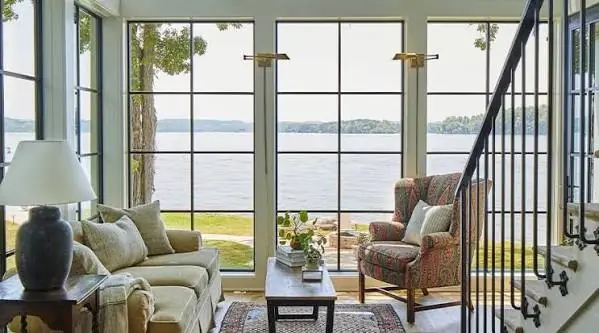
Scenario A: South-Facing Great Room in Santa Fe
Constraints and Environmental Pressures
A high-desert living room featuring double-height glass walls exposed to intense, high-altitude solar radiation, severe UV fading risks, and extreme summer heat gain.
Decision Points and Execution
The design team must choose between static dark blackout drapes or automated dual-roller solar shades paired with light-diffusing sheer side panels.
Failure Modes and Consequences
Drawing static blackout drapes eliminates interior views and creates a dark, cave-like atmosphere that requires artificial lighting during bright daylight hours.
Second-Order Effects and Optimization
Deploying automated dual-roller shades with a three percent solar screen filters 97% of UV rays, lowers cooling loads, preserves desert views, and maintains comfortable interior illumination.
Scenario B: North-Facing Artist Studio in Seattle
Constraints and Environmental Pressures
An urban studio space receiving cool, consistent, but low-intensity sky-glow requiring maximum natural light capture without introducing harsh shadows or color distortion.
Decision Points and Execution
Selecting heavy lined linen drapes versus minimalist ceiling-recessed sheer white draperies set on continuous traverse tracks.
Failure Modes and Consequences
Installing heavy lined drapes restricts the narrow window opening, casting deep perimeter shadows and starving the studio workspace of essential natural light.
Second-Order Effects and Optimization
Installing ceiling-recessed sheer white draperies diffuses cool northern light evenly across the studio, maximizing ambient daylight autonomy and maintaining high color rendering.
Scenario C: West-Facing Master Bedroom in Miami
Constraints and Environmental Pressures
A waterfront master suite facing intense low-angle afternoon solar heat and glare, requiring flexible light diffusion during late afternoons and total blackout conditions for sleep.
Decision Points and Execution
Installing single-layer Venetian blinds versus a layered window assembly featuring motorized blackout shades behind light-filtering sheer linen drapes.
Failure Modes and Consequences
Single-layer Venetian blinds allow low-angle afternoon sunlight to penetrate through slat gaps, overheating the bedroom and creating harsh light stripes across walls.
Second-Order Effects and Optimization
Combining motorized blackout shades with sheer linen drapes allows occupants to filter afternoon glare softly while providing complete darkness for rest at night.
Scenario D: Historic Townhome Dining Room in Boston
Constraints and Environmental Pressures
A narrow, ground-floor dining room situated along a busy pedestrian sidewalk receiving limited natural light while facing continuous street-level privacy challenges.
Decision Points and Execution
Installing traditional bottom-up frosted window film versus top-down bottom-up woven wood shades mounted inside historic window frames.
Failure Modes and Consequences
Applying static frosted window film blocks exterior street views completely, creating an enclosed atmosphere and reducing natural light entry from upper glass panes.
Second-Order Effects and Optimization
Utilizing top-down bottom-up woven wood shades allows natural light to spill deep into the room from upper sashes while blocking sightlines from sidewalk pedestrians.
Planning, Cost, and Resource Dynamics
Direct and Indirect Financial Allocations
Executing high-end daylight styling projects requires allocating capital across custom fabric fabrication, hardware manufacturing, and professional installation labor. Direct expenses include premium drapery fabrics, motorized shade motors, custom drapery tracks, specialized hardware, and tailoring labor. Indirect costs involve electrical wiring infrastructure for motorized systems, interior design consulting fees, dry-cleaning maintenance, and window frame prep work. Reserving a fifteen percent contingency fund protects project budgets when custom ceiling pockets require structural framing alterations.
Price Variability Factors Across Styling Orders
Window treatment pricing varies significantly based on window dimensions, fabric origin, motorization technology, and installation complexity. Standard off-the-shelf drapery panels remain economical, whereas custom floor-to-ceiling motorized drapery systems featuring European fabrics carry premium manufacturing and electrical wiring surcharges.
| Styling Specification Scope | Cost Range Per Window Opening | Primary Cost Drivers |
| Custom Sheer Drapery Panels | $300 – $850 | Fabric yardage, custom pleating, track hardware |
| Manual Woven Solar Shades | $200 – $550 | Openness factor, custom cassette enclosures |
| Top-Down Bottom-Up Cellular | $250 – $650 | Fabric insulation tier, dual-cord mechanism |
| Automated Motorized System | $800 – $2,200+ | Low-voltage motors, power supplies, smart integration |
Tools, Strategies, and Support Systems Best Natural Light Window Styling in the US
Essential Daylighting Diagnostic Tools
-
Digital Illuminance Light Meters: Handheld photometric devices used to measure foot-candles and lux levels across interior work surfaces.
-
Spectrophotometric Textile Analyzers: Laboratory instruments used to quantify exact visible light transmittance and UV filtration percentages of drapery fabrics.
-
Solar Angle CAD Simulation Software: Architectural software used to model seasonal sunlight penetration depths and shadow lines across room layouts.
-
Thermal Imaging Cameras: Field diagnostic tools used to detect solar heat gain intrusion and air leakage along window perimeter trims.
Professional Support Infrastructure
-
Certified Daylighting Consultants: Specialized lighting designers who evaluate natural light distribution and write technical shading specifications.
-
Master Soft-Goods Workrooms: Professional tailoring facilities that craft custom drapery pleats, hand-stitched hems, and lined fabric panels.
-
Smart Home System Integrators: Low-voltage electrical contractors who program automated shade motors to sync with solar tracking schedules.
Risk Landscape and Failure Modes
Textile Photodegradation and Sun Rot
Continuous exposure to intense ultraviolet radiation breaks down natural cotton, silk, and un-stabilized synthetic fibers over time. Sun-damaged fabrics become brittle, discolored, and prone to tearing along fold lines within a few years of installation.
Extreme Glare and Eye Strain
Installing overly transparent window coverings across west-facing or south-facing openings fails to diffuse direct sunlight. Intense light contrast forces human eyes to adjust constantly, inducing severe eye strain, headaches, and reduced productivity.
Motorization Hardware Failure and Binding
Mounting heavy motorized drapery tracks onto uneven plaster or drywall without structural blocking causes track sagging. Twisted tracks increase motor strain, leading to premature motor burnout and noisy operation.
Governance, Maintenance, and Long-Term Adaptation
Operational Review Cycles and Inspections
Homeowners and facility managers should conduct seasonal window treatment inspections every spring and autumn. Inspectors evaluate drapery track glide smoothness, shade cord tension, motorized limit switches, and fabric cleanliness.
Performance Improvement Triggers
-
Trigger 1: Visible fabric fading or edge fraying along sun-exposed drapery seams signals UV photodegradation requiring fabric replacement or protective lining additions.
-
Trigger 2: Increased artificial lighting usage during bright daytime hours indicates overly dark window treatments requiring higher visible light transmittance fabrics.
-
Trigger 3: Excessive afternoon room heat gain signals solar screen degradation or improper shade usage requiring automated solar tracking adjustments.
Long-Term Maintenance Protocols
-
Vacuum drapery pleats, cellular shade pockets, and solar screen surfaces quarterly using soft brush vacuum attachments.
-
Clean horizontal Venetian louver slats semi-annually using anti-static microfiber dusters to prevent dirt buildup.
-
Lubricate motorized drapery tracks and roller shade bearings annually using non-staining dry silicone sprays.
-
Inspect low-voltage motor wiring connections and replace remote control batteries yearly to ensure continuous automation performance.
Measurement, Tracking, and Evaluation
Leading and Lagging Performance Signals
Leading indicators include verifying fabric visible light transmittance test reports, calculating window-to-floor daylight ratios, and modeling seasonal solar paths. Lagging indicators encompass reduced annual electric lighting utility costs, balanced indoor ambient temperatures, zero fabric UV degradation, and positive occupant visual comfort surveys.
Documentation Standards
-
Maintain a digital interior styling file containing fabric dye-lot samples, care instruction sheets, and manufacturer warranty documents.
-
Archive motorization wiring diagrams, low-voltage power supply locations, and shade remote programming codes in a central home binder.
-
Keep fabric yardage records and custom drapery pleat specifications on file to facilitate matching fabric re-orders if future damage occurs.
Common Misconceptions and Oversimplifications Best Natural Light Window Styling in the US
Myth 1: Sheer Curtains Provide Complete Daytime Privacy
While sheer fabrics diffuse interior views from the street during daylight hours, illuminated interior lights at night make sheer-covered rooms fully visible from the exterior.
Myth 2: Dark Shades Block Solar Heat Better Than Light Shades
Dark solar screen fabrics absorb solar heat and radiate it inward into living spaces; light-colored or aluminum-backed shades reflect solar radiation back outdoors far more effectively.
Myth 3: Blinds and Shades Eliminate the Need for Window Tinting
Window treatments manage light after it enters through glass, whereas spectrally selective low-E window films stop solar heat at the glass boundary before it reaches interior fabrics.
Myth 4: Motorized Shades Are Exclusively for Luxury Estates
Modern battery-powered and low-voltage motorized shades offer affordable, retrofittable light control options suitable for standard residential properties.
Myth 5: Heavy Draperies Are Required to Insulate Cold Windows
Insulated cellular honeycomb shades trap air within engineered pockets, providing higher thermal insulation values than thick heavy velvet draperies at a fraction of the weight.
Myth 6: Natural Light Styling Is Purely Aesthetic
Proper daylight styling regulates circadian rhythms, reduces reliance on electric lighting, controls HVAC cooling loads, and protects expensive interior flooring and artwork from UV destruction.
Ethical, Practical, and Contextual Considerations
Designing natural light window styling balances artistic interior expression with environmental resource stewardship. Optimizing interior daylight distribution reduces fossil fuel electricity consumption for artificial lighting and space cooling across multi-decade building lifespans. Selecting durable, sustainably sourced natural linens or recycled synthetic textiles minimizes environmental landfill waste. Evaluating the best natural light window styling in the us supports holistic interior architecture, ensuring living spaces remain visually comfortable, energy-efficient, and connected to the natural rhythm of daylight.
Conclusion
Navigating interior daylight management requires technical discipline, optical understanding, and a nuanced appreciation for spatial architecture. Identifying the best natural light window styling in the us demands looking beyond superficial decorating trends to evaluate visible light transmittance, solar orientation angles, glare diffusion fabrics, and automated control mechanics. Interior designers, lighting specialists, and homeowners who manage daylight with analytical rigor craft living environments that deliver enduring visual comfort, spatial elegance, and energy efficiency for decades to come.