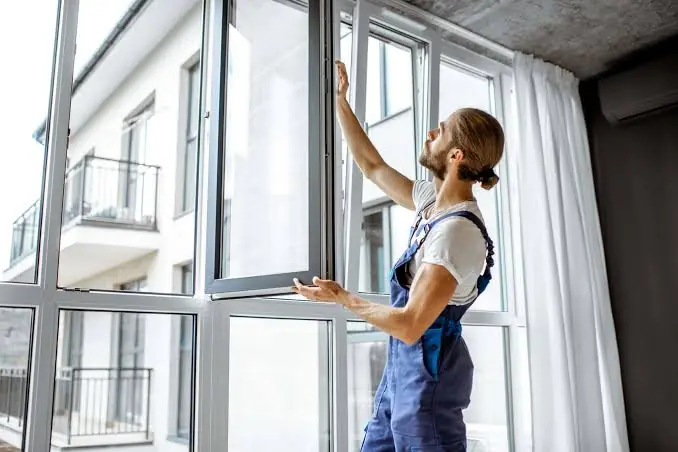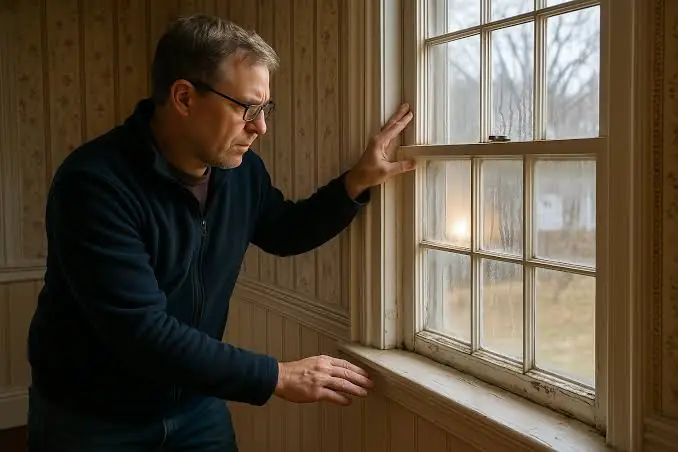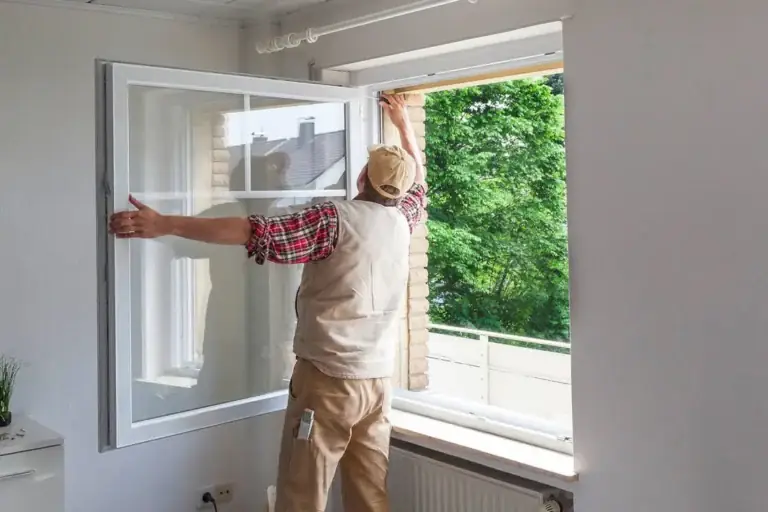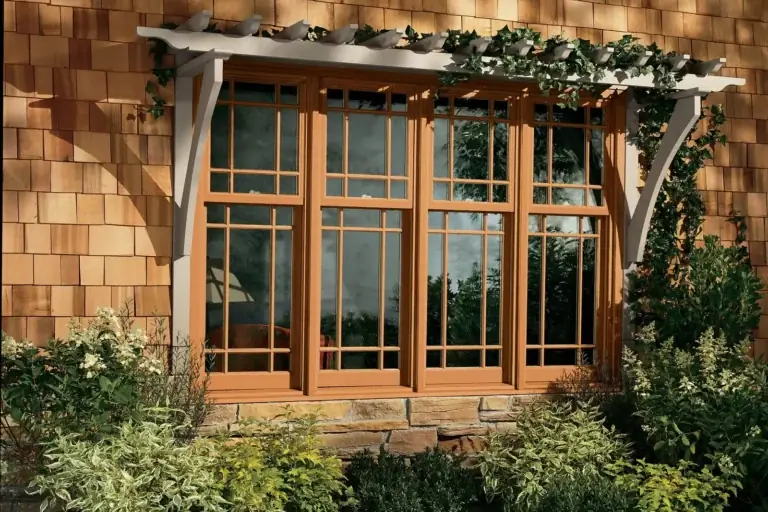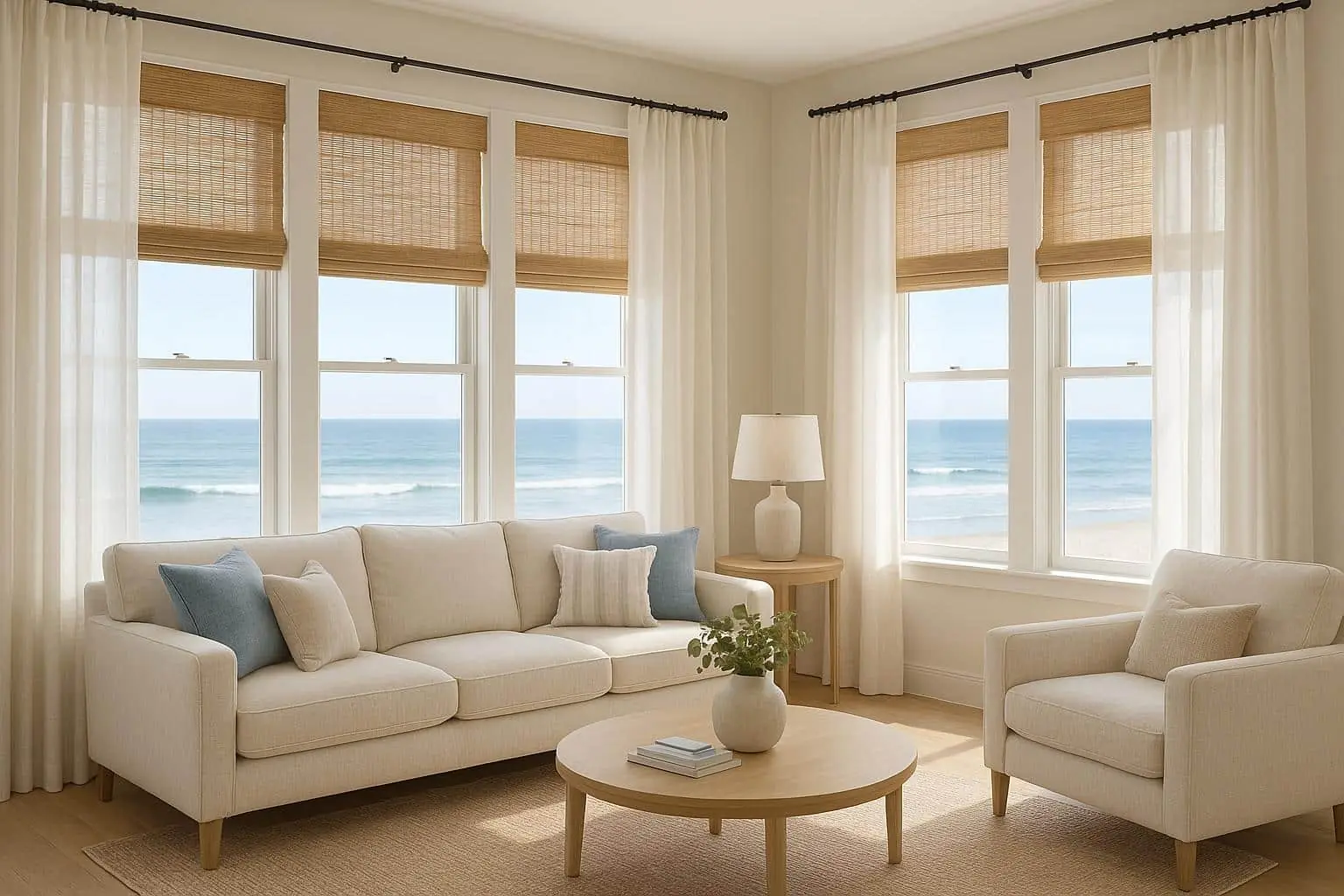
Best Window Replacement for Coastal Homes: Marine Engineering and Hurricane Physics
Coastal residential architecture operates at the most demanding intersection of atmospheric physics, material degradation, and environmental load forces. Building envelopes positioned along oceanfronts encounter perpetual salt-spray oxidation, severe wind-driven rain cycles, intense solar ultraviolet exposure, and hurricane-force velocity pressures. Windows represent the most vulnerable interface within this protective barrier. Best Window Replacement for Coastal Homes. When fenestration retrofits are specified without technical rigor, oceanfront structures suffer catastrophic envelope breaches, structural framing rot, and severe indoor water contamination.
Evaluating coastal window replacement demands looking far beyond standard retail sales claims, decorative frame profiles, or basic energy efficiency stickers. Coastal fenestration assemblies must satisfy stringent structural engineering criteria. Materials must withstand continuous micro-abrasion from airborne sand, resist electrochemical corrosion across metal fasteners, and absorb high kinetic impacts from storm debris without structural failure.
Achieving complete envelope protection requires a disciplined marine engineering approach. Building envelope consultants, structural engineers, master glaziers, and coastal contractors evaluate Design Pressure ratings, structural impact certifications, frame metallurgy, and self-adhering flashing chemistry. Mastering technical principles regarding the best window replacement for coastal homes empowers coastal property owners and developers to execute retrofits that guarantee structural resilience and long-term capital preservation.
Understanding “best window replacement for coastal homes”
Multi-Perspective Analysis of Marine Fenestration
Evaluating the best window replacement for coastal homes is frequently misunderstood as simply purchasing impact-rated glass or choosing thick vinyl window frames. Many property owners assume that standard impact certifications guarantee absolute protection against oceanfront weathering. Structural engineers and building scientists evaluate coastal windows through a systemic environmental lens. High-performance coastal fenestration balances structural impact resistance, cyclic wind-load durability, frame metallurgical stability, and perimeter waterproofing chemistry against localized coastal exposures.
Regional Code Mandates and Wind-Borne Debris Zones
A primary driver of specification failure involves ignoring localized Wind-Borne Debris Zone designations and High-Velocity Hurricane Zone codes. A window unit certified for inland wind conditions fails rapidly when subjected to direct coastal wind pressures exceeding fifty pounds per square foot. Coastal codes mandate rigorous testing protocols, requiring window assemblies to endure heavy missile impacts followed by thousands of positive and negative wind-pressure cycles.
Oversimplification Risks in Coastal Retrofits
Specifying impact-resistant glass without evaluating frame alloy composition or perimeter fastener corrosion resistance introduces severe structural liabilities. Stainless steel fasteners manufactured from inferior grades undergo rapid pitting corrosion when exposed to airborne chlorides. This electrochemical breakdown compromises structural frame anchoring, allowing entire window assemblies to detach from rough wall openings during severe storm events. True coastal fenestration excellence aligns structural metallurgy directly with atmospheric science and structural engineering.
Deep Contextual Background
Industrial Evolution of Coastal Fenestration
Coastal window engineering underwent major technological transformations over the past century. Early oceanfront residences relied on single-pane wood double-hung sashes protected by manual exterior wooden storm shutters. While these traditional assemblies offered basic aesthetic charm, unsealed glass joints permitted massive water infiltration, drafts, and structural frame rot during oceanic storms.
Hurricane Andrew and the Birth of Impact Engineering
The catastrophic destruction caused by Hurricane Andrew in 1992 revolutionized American coastal building codes and fenestration engineering. Structural failure analysis revealed that building destruction occurred primarily when windward windows failed, allowing extreme pressure to inflate and blow off roof structures. Regulators subsequently mandated impact-resistant laminated glass assemblies across all coastal hurricane zones, driving rapid innovation in interlayer polymer chemistry and heavy-gauge structural aluminum extrusions.
Advanced Metallurgy and Modern Polymer Interlayers
The late twentieth century brought major advancements in structural lamination, introducing ionoplast polymer interlayers that offer five times the tear strength of traditional polyvinyl butyral materials. Concurrently, manufacturers developed marine-grade Kynar fluoropolymer frame coatings and thermally broken pultruded fiberglass extrusions. Modern coastal window design integrates these advanced materials to deliver transparent building envelopes capable of withstanding Category 5 hurricane forces.
Conceptual Frameworks and Mental Models
The Kinetic Impact and Pressure Cycle Model
This structural framework evaluates window resilience by combining initial heavy debris impact resistance with long-term cyclic wind pressure endurance. Testing protocols fire a nine-pound timber missile at thirty-four miles per hour against glass centers, followed immediately by 9,000 alternating positive and negative pressure cycles to verify structural integrity.
The Galvanic Corrosion Deterioration Index
Dissimilar metals in contact within salt-spray environments generate galvanic corrosion cells, rapidly deteriorating structural fasteners and frame joints. This metallurgical framework evaluates metal electronegativity differentials, guiding the selection of compatible stainless steel alloys, isolation gaskets, and non-conductive fasteners.
The Continuous Water Flanking Redundancy Theorem
Wind-driven rain hits coastal facades at extreme pressure, forcing water through microscopic frame joints. This building science model establishes multi-layered perimeter drainage pathways, utilizing sloped pan flashings and self-adhering membranes to route intruding water safely back to building exteriors.
Key Categories and Marine Material Typologies
Achieving high-performance coastal retrofits requires evaluating primary frame material categories and glass lamination technologies. Each material typology presents specific structural, metallurgical, and thermal performance trade-offs.
Heavy-Gauge Marine Aluminum Systems
-
Characteristics: High-strength extruded aluminum alloy frames protected by multi-layer Kynar fluoropolymer factory finishes.
-
Trade-offs: Delivers unmatched structural rigidity and narrow sightlines for large openings, requiring internal polyamide thermal breaks to prevent high heat conduction.
Pultruded Fiberglass Composite Assemblies
-
Characteristics: Glass fiber-reinforced thermoset resin frames engineered for high structural strength and near-zero thermal expansion.
-
Trade-offs: Matches glass expansion rates perfectly and offers complete immunity to salt-spray corrosion, carrying higher fabrication costs than standard materials.
Solid Vinyl Coastal Impact Frames
-
Characteristics: Multi-chambered polyvinyl chloride profiles reinforced internally with heavy aluminum or galvanized steel structural channels.
-
Trade-offs: Provides excellent thermal insulation and complete corrosion resistance, experiencing higher thermal expansion rates under direct solar exposure.
Wood-Clad Marine Aluminum Windows
-
Characteristics: Solid interior timber frames bonded to thick extruded aluminum exterior cladding shields finished with marine-grade paints.
-
Trade-offs: Offers warm natural interior wood aesthetics alongside durable exterior weather protection, requiring strict interior humidity control.
Impact-Resistant Ionoplast Laminated Glass
-
Characteristics: Laminated glass packages utilizing rigid ionoplast polymer interlayers sandwiched between heat-strengthened glass panes.
-
Trade-offs: Delivers maximum tear resistance against wind-borne debris impact and extreme pressure loads, adding significant overall unit weight.
Polyvinyl Butyral Laminated Safety Glass
-
Characteristics: Traditional safety glass featuring flexible polyvinyl butyral interlayers bonded between float glass sheets.
-
Trade-offs: Provides reliable baseline impact resistance and excellent acoustic dampening, offering lower structural rigidity under extreme hurricane pressures.
| Marine Material Typology | Corrosion Resistance | Structural Rigidity | Thermal Insulation | Relative Cost Tier |
| Marine-Grade Aluminum | High (Coated) | Maximum | Moderate (Broken) | High |
| Pultruded Fiberglass | Maximum | High | High | Very High |
| Reinforced Vinyl | Maximum | Moderate to High | High | Moderate |
| Wood-Clad Aluminum | High (Exterior) | High | High | Extremely High |
| Ionoplast Laminated Glass | Maximum | Maximum | Moderate | High |
| Polyvinyl Butyral Glass | High | Moderate | Moderate | Moderate |
Decision Logic for Coastal Material Selection
Project teams must evaluate distance to open saltwater, local wind-borne debris code designations, and architectural design intent before specifying replacement windows. For oceanfront structures positioned within 1,000 feet of breaking surf, pultruded fiberglass or marine-coated heavy aluminum systems equipped with ionoplast laminated glass provide necessary structural strength. For sheltered bay-front properties located further inland, reinforced vinyl impact windows deliver high thermal insulation and complete corrosion resistance at moderate cost.
Detailed Real-World Scenarios Best Window Replacement for Coastal Homes
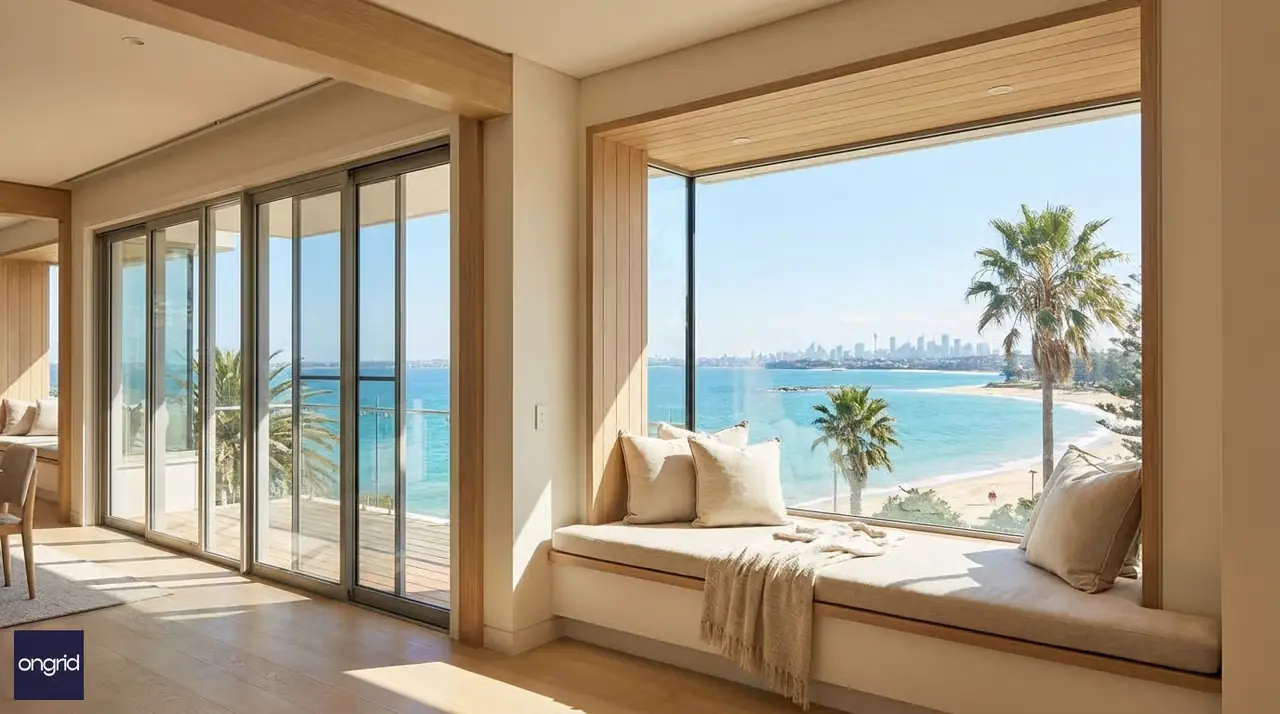
Scenario A: Oceanfront Estate in the Florida Keys
Constraints and Environmental Pressures
A single-family residence situated directly along open saltwater facing Category 5 hurricane threats, extreme UV exposure, and High-Velocity Hurricane Zone codes.
Decision Points and Execution
The design team must choose between standard aluminum impact windows or heavy-gauge marine aluminum frames fitted with ionoplast laminated glass and Kynar coatings.
Failure Modes and Consequences
Installing standard aluminum impact windows without marine-grade coatings causes rapid white-rust oxidation, blistering paint, and sash binding within three years.
Second-Order Effects and Optimization
Specifying marine-grade aluminum frames protected by 70% Kynar finishes paired with ionoplast glass withstands salt-spray exposure, maintains structural operation, and secures complete code compliance.
Scenario B: High-Wind Bluff Home in Oregon
Constraints and Environmental Pressures
A coastal residence perched on a high ocean bluff exposed to severe wind-driven rain, freezing winter conditions, and continuous salt air.
Decision Points and Execution
Selecting standard double-pane vinyl impact windows versus pultruded fiberglass triple-pane impact units featuring warm-edge spacers.
Failure Modes and Consequences
Standard vinyl frames undergo high thermal expansion during temperature swings, breaking perimeter caulk seals and allowing wind-driven rain to infiltrate rough wall openings.
Second-Order Effects and Optimization
Deploying pultruded fiberglass triple-pane impact windows eliminates frame movement, preserves perimeter flashing seals, and delivers high thermal insulation during winter storms.
Scenario C: Historic Commercial Inn in Charleston
Constraints and Environmental Pressures
Converting a 19th-century waterfront inn into luxury suites subject to strict municipal historic preservation guidelines and hurricane impact codes.
Decision Points and Execution
Replacing original sashes with modern vinyl impact windows versus custom wood-clad aluminum impact double-hung units matching original historic profiles.
Failure Modes and Consequences
Installing vinyl window profiles alters historic facade proportions, causing the municipal preservation commission to reject installation and issue stop-work orders.
Second-Order Effects and Optimization
Specifying custom wood-clad aluminum impact double-hung windows replicates historic sightlines perfectly, satisfying preservation board rules while providing hurricane impact safety.
Scenario D: Bay-Front Residence in Corpus Christi
Constraints and Environmental Pressures
A coastal property located along a sheltered bay experiencing high summer heat, intense afternoon solar glare, and moderate hurricane wind risks.
Decision Points and Execution
Purchasing clear impact-resistant windows versus spectrally selective Low-E impact units featuring argon gas fills and insulated vinyl frames.
Failure Modes and Consequences
Clear impact windows satisfy structural storm codes but allow massive solar heat gain to flood interior spaces, overloading air conditioning units and fading interior flooring.
Second-Order Effects and Optimization
Installing spectrally selective Low-E impact windows blocks 95% of solar heat gain while meeting structural impact codes, lowering seasonal cooling expenses significantly.
Planning, Cost, and Resource Dynamics
Direct and Indirect Financial Allocations
Executing coastal window replacement projects requires allocating capital across marine-grade material manufacturing, specialized freight transport, and certified trade installation labor. Direct expenses include factory window fabrication, ionoplast glass lamination, Kynar frame finishing, structural fasteners, and debris disposal fees. Indirect costs involve engineering calculations, municipal permit processing, third-party water testing, and scaffolding rentals. Reserving a fifteen to twenty percent contingency fund protects owners when hidden structural wall framing rot emerges during demolition.
Price Variability Factors Across Coastal Markets
Coastal window package pricing varies significantly based on opening dimensions, glass shape complexity, hardware metallurgy, and local labor certification requirements. Standard factory-sized rectangular units remain economical, whereas custom oversized curved panels or marine-grade curtain walls carry exponential manufacturing and installation surcharges.
| Coastal Component Scope | Price Range Per Square Foot | Primary Cost Drivers |
| Reinforced Vinyl Impact Unit | $65 – $120 | Multi-chambered vinyl, PVB laminated glass |
| Marine Aluminum Impact Unit | $95 – $210 | Kynar coatings, polyamide thermal breaks |
| Pultruded Fiberglass Impact Unit | $110 – $250 | Thermoset resins, ionoplast glass packages |
| Custom Wood-Clad Marine Unit | $150 – $380+ | Exotic timber, heavy extruded aluminum cladding |
Tools, Strategies, and Support Systems
Essential Marine Fenestration Diagnostic Tools
-
Florida Building Code Approval Portals: Online state databases used to verify certified Design Pressure ratings and impact approvals across window product lines.
-
Non-Destructive Ultrasonic Thickness Meters: Diagnostic instruments used to verify glass pane thickness and laminate interlayer depths in existing window units.
-
Calibrated Field Hose Water Test Rigs: Specialty testing equipment used to perform AAMA 501.2 field water penetration tests on newly installed coastal windows.
-
Thermal Imaging Infrared Diagnostic Cameras: Field tools used to identify perimeter air leaks, insulation voids, and moisture intrusion behind exterior trims.
Professional Support Infrastructure
-
Licensed Structural Engineering Consultants: Independent specialists who calculate wind pressure loads and write technical fastening schedules for coastal openings.
-
Certified Master Glazing Contractors: Specialized trade firms possessing heavy suction-lift rigging equipment trained in mounting heavy impact-resistant glass.
-
Third-Party Inspection Agencies: Certified facilities that conduct field mock-up water penetration and structural air pressure tests on installed oceanfront windows.
Risk Landscape and Failure Modes
Galvanic Fastener Shear and Anchor Loss
The most catastrophic structural failure occurs when carbon steel or low-grade stainless steel fasteners corrode hidden inside wall cavities. Chloride-laden moisture shears anchor screws, allowing hurricane wind pressures to blow entire window frames into interior living spaces.
Interlayer Delamination and Moisture Clouding
Continuous exposure to high ambient humidity and standing water inside un-drained window sash channels causes polymer interlayers to delaminate. Laminated glass edges cloud permanently, ruining visual transparency.
Perimeter Flanking and Rough Opening Rot
Installing certified impact windows without proper self-adhering flashing membranes allows wind-driven rain to bypass exterior caulk joints. Bulk water saturates rough wood framing, causing structural floor joist rot and toxic mold growth inside wall cavities.
Governance, Maintenance, and Long-Term Adaptation
Operational Review Cycles and Inspections
Coastal property managers and homeowners should conduct comprehensive window inspections every spring and autumn. Inspectors evaluate perimeter sealant flexibility, hardware operation, frame weep hole drainage, and paint finish condition.
Performance Improvement Triggers
-
Trigger 1: White powder accumulation or paint blistering along metal frame joints indicates active aluminum corrosion requiring immediate cleaning and touch-up sealing.
-
Trigger 2: Glass fogging or edge clouding inside laminated packages signals interlayer delamination requiring glass sash replacement.
-
Trigger 3: Cracked or hardened exterior perimeter caulk requires immediate joint scraping and re-application of marine-grade polyurethane or silicone sealants.
Long-Term Maintenance Protocols
-
Wash exterior glass, frame extrusions, and hardware quarterly using fresh water and mild pH-neutral soap to remove corrosive salt deposits.
-
Clear frame weep channels and drainage tracks semi-annually to ensure continuous rainwater discharge away from glass seals.
-
Lubricate stainless steel operating hinges, locking rollers, and operator gears semi-annually using marine-grade dry silicone sprays.
-
Inspect structural perimeter caulk beads annually to verify ongoing adhesion against exterior cladding materials.
Measurement, Tracking, and Evaluation
Leading and Lagging Performance Signals
Leading indicators include verifying certified Florida Building Code or Texas Department of Insurance product approvals, reviewing engineering fastening calculations, and inspecting rough opening flashing membranes. Lagging indicators encompass zero post-storm water infiltration, smooth hardware operation across annual salt-air exposure, and low building energy bills.
Documentation Standards
-
Maintain a digital coastal property file containing approved window shop drawings, state product approval cards, and manufacturer warranty documents.
-
Archive pre-installation flashing inspection photos and third-party field water test reports in a permanent property archive record.
-
Keep structural fastener specification sheets and glass replacement order numbers on file to facilitate rapid unit repair following major storm events.
Common Misconceptions and Oversimplifications Best Window Replacement for Coastal Homes
Myth 1: Standard Impact Glass Stops All Coastal Solar Heat Gain
Standard impact glass utilizes clear interlayers that transmit high levels of solar radiation; stopping solar heat requires specifying spectrally selective Low-E coatings inside laminated packages.
Myth 2: Vinyl Windows Are Inherently Too Weak for Coastal Wind Loads
Vinyl window extrusions reinforced internally with heavy aluminum or steel channels achieve high Design Pressure ratings capable of withstanding severe hurricane wind loads.
Myth 3: Exterior Caulking Provides Complete Waterproofing Protection
Caulking serves as a primary weather seal; if sloped sill pan flashings and self-adhering membranes are omitted, wind-driven rain will penetrate wall cavities regardless of caulk quality.
Myth 4: Stainless Steel Fasteners Never Corrode in Salt Air
Standard 304-grade stainless steel undergoes pitting corrosion in marine environments; high-grade 316-grade stainless steel or specialized coated fasteners are required for oceanfront openings.
Myth 5: Impact Windows Eliminate the Need for Emergency Egress Codes
Impact-resistant glass must still satisfy municipal emergency escape dimensions in bedroom locations, requiring operable sashes that meet minimum clear opening heights and widths.
Myth 6: Lifetime Warranties Cover All Coastal Salt-Spray Damage
Most manufacturer lifetime warranties contain explicit coastal exclusions, reducing finish and hardware coverage to one to five years unless marine-grade coatings are specified.
Ethical, Practical, and Contextual Considerations
Specifying durable coastal window packages balances upfront capital expenditure with long-term environmental stewardship and human safety. Selecting high-performance impact-resistant fenestration prevents catastrophic building envelope failures during major hurricanes, protecting human lives and reducing post-storm construction debris in marine ecosystems. Incorporating energy-efficient spectrally selective Low-E glass lowers fossil fuel electricity consumption for air conditioning across multi-decade building lifespans. Evaluating the best window replacement for coastal homes supports ethical coastal development, ensuring oceanfront structures remain energy-efficient, structurally safe, and environmentally resilient for generations to come.
Conclusion
Navigating coastal fenestration retrofits requires analytical discipline, technical metallurgical awareness, and strict adherence to structural engineering standards. Identifying the best window replacement for coastal homes demands looking past superficial sales pitches to evaluate Design Pressure ratings, marine-grade frame alloys, ionoplast laminated glass physics, and redundant perimeter flashing details. Architects, structural engineers, and coastal property owners who specify window retrofits with technical rigor construct resilient, weather-tight building envelopes that deliver enduring safety, visual transparency, and structural protection for decades to come.