Compare Window Replacement Services: The Complete Evaluation Guide
Evaluating contractors for home envelope upgrades presents property owners with complex operational choices. Fenestration projects require significant capital investments that directly impact structural integrity, thermal comfort, and resale value. Consumers often struggle to distinguish between competing sales proposals, varying warranty terms, and contrasting installation techniques. Compare Window Replacement Services. This uncertainty frequently leads to decision paralysis or costly reliance on surface-level pricing estimates.
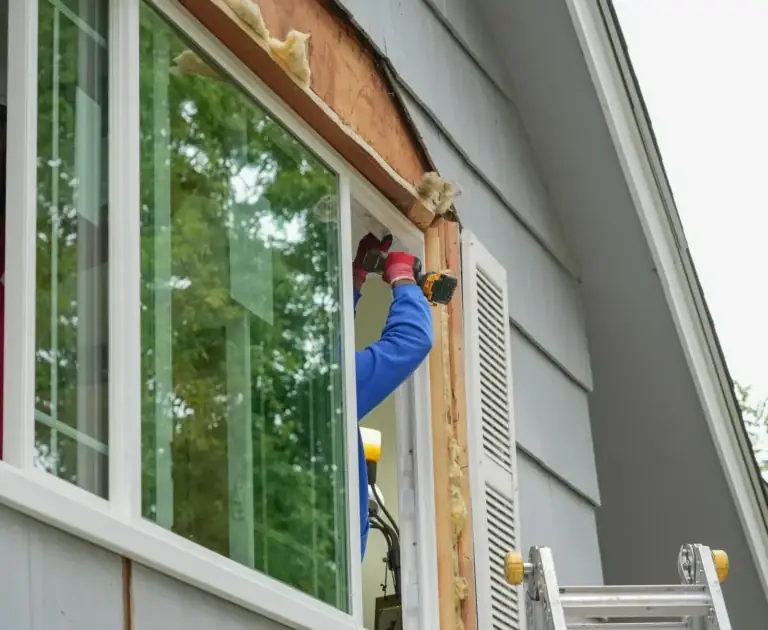
Evaluating market options requires moving beyond basic marketing literature and sales pitches. Window performance depends heavily on the technical competence of the installation crew. The highest-quality factory glazing unit will fail prematurely if mounted improperly. Infiltration of water and air occurs rapidly through unsealed rough openings, rotting structural studs and causing interior wall decay.
This comprehensive guide establishes a rigorous analytical framework for evaluating replacement providers. It examines corporate structures, labor models, warranty mechanics, procurement channels, and installation specifications. Readers will gain actionable evaluation metrics designed to navigate contractor selection with confidence and precision.
Understanding “compare window replacement services”
Beyond Initial Cost Estimates
The directive to compare window replacement services is often treated as a simple exercise in price shopping. Many consumers gather three estimates and select the lowest bid without analyzing the underlying scope of work. Industry specialists view contractor evaluation through a multi-dimensional operational lens. Comparing services requires scrutinizing labor sourcing, flashing protocols, frame anchorage standards, disposal logistics, and post-installation support infrastructure.
The Vendor Landscape Split
A primary source of confusion stems from structural differences between service providers. National manufacturer-owned retail outlets operate on turnkey, vertically integrated models. Local independent dealers source products from multiple distributors and deploy local labor. Specialized trade contractors focus exclusively on high-precision architectural installations. Each business model creates distinct trade-offs in pricing flexibility, scheduling timelines, and warranty fulfillment.
Risks of Oversimplified Comparison
Comparing proposals without reviewing technical specifications exposes property owners to severe hidden costs. A low estimate may exclude exterior trim capping, interior casing restoration, or old unit disposal. Furthermore, bids may specify insert installations where full-frame tear-outs are required to remediate structural rot. Accurate evaluation demands line-item transparency across every proposal parameter.
Deep Contextual Background
Historical Shift in Installation Practices
The residential fenestration market has evolved significantly over the past half-century. Historically, local carpenters built and fitted wooden windows on-site, tailoring sashes directly to rough openings. Post-war suburban growth introduced standardized rough opening sizes and mass-produced aluminum frames. This shift created the modern replacement industry, shifting labor requirements from custom joinery to rapid unit insertion.
Evolution of Contracting Models
Late-twentieth-century sales practices relied heavily on high-pressure door-to-door solicitation and generic retail showrooms. The modern market features diverse service delivery channels. National brand franchises leverage widespread television advertising and proprietary product lines. Concurrently, digital procurement platforms allow tech-enabled dealers to streamline measurement and estimate workflows, altering traditional contractor-client dynamics.
Subcontractor Reliance Trends
Subcontracting has become widespread across the residential remodeling industry over recent decades. Many large sales organizations outsource installation work to independent sub-crews paid on a piece-rate basis. This model lowers overhead costs for sales organizations, but it can create operational disconnects regarding installation quality and accountability. Understanding this systemic dynamic helps consumers ask targeted questions during the vetting process.
Conceptual Frameworks and Mental Models
The Service Accountability Spectrum
This framework evaluates providers based on operational integration. Vertically integrated entities control manufacturing, sales, and installation internally. Fragmented models separate sales, distribution, and field labor into independent units. Higher integration offers single-point accountability, whereas fragmented models often provide lower upfront costs and broader product selection.
The Total Scope Verification Model
Evaluating proposals requires verifying every step of the installation workflow. This framework checks whether quotes include rough opening inspections, flashing tape application, low-expansion foam insulation, custom exterior aluminum capping, interior trim restoration, and waste removal. Unspecified line items represent potential change orders or compromised installation standards.
The Dual-Warranty Evaluation Matrix
Fenestration warranties split into two distinct legal agreements: the manufacturer’s product warranty and the installer’s labor warranty. This mental model evaluates both components independently, examining coverage duration, transferability clauses, non-prorated schedules, and specific exclusion triggers.
Key Categories and Service Models
Vertically Integrated Direct Manufacturers
-
Characteristics: Companies that manufacture proprietary window lines and sell them exclusively through corporate-owned retail installation branches.
-
Trade-offs: Provides single-point accountability and standardized installation training. Costs are significantly higher, and product selections are limited to a single brand.
Independent Authorized Dealers
-
Characteristics: Regional showrooms representing multiple national window brands while employing dedicated sales and installation staff.
-
Trade-offs: Offers broad material options across varied price points and flexible scheduling. Service consistency depends on local management quality.
Local General Contracting Firms
-
Characteristics: Independent licensed builders who source windows through wholesale supply yards and perform installations as part of general remodeling.
-
Trade-offs: Highly customizable scope execution and deep structural expertise. Lead times are longer, and direct manufacturer volume discounts are lacking.
Big-Box Home Improvement Centers
-
Characteristics: National retail hardware chains offering window procurement paired with outsourced third-party subcontractor installation services.
-
Trade-offs: Provides accessible retail financing packages and familiar brand exposure. Installation quality varies widely based on local subcontractor assignments.
Direct-to-Consumer Digital Platforms
-
Characteristics: E-commerce platforms that allow homeowners to submit measurements, receive instant digital quotes, and schedule contracted installation crews online.
-
Trade-offs: Lower pricing by eliminating traditional showroom overhead. Requires property owners to handle preliminary measurement verification and digital communication.
| Service Model | Price Point | Accountabilty | Material Variety | Labor Control |
| Vertically Integrated | Premium | Maximum | Low (Single Brand) | High (Internal Staff) |
| Independent Dealers | Moderate to High | High | High (Multiple Brands) | Moderate to High |
| General Contractors | Variable | Moderate | Maximum | High |
| Big-Box Retailers | Low to Moderate | Low to Moderate | Moderate | Low (Outsourced) |
| Digital Platforms | Competitive | Moderate | Moderate | Variable |
Decision Logic for Provider Selection
Property owners should determine their primary risk tolerance before selecting a service category. When maximum accountability and single-source warranty protection take precedence, vertically integrated direct manufacturers or established independent dealers represent the optimal choice. For complex architectural remodels requiring structural wall alterations, licensed general contractors provide essential framing expertise. Budget-constrained projects with standard opening dimensions can leverage independent dealers or big-box options, provided local installer credentials are thoroughly vetted.
Detailed Real-World Scenarios Compare Window Replacement Services

Scenario A: Suburban Whole-House Replacement
-
Constraints: A fifteen-window replacement project on a two-story home with aging vinyl siding and tight budget parameters.
-
Decision Points: Selecting a high-cost direct manufacturer versus a regional authorized dealer using factory-trained sub-crews.
-
Failure Modes: Choosing an unvetted low bidder who skips perimeter flashing, leading to hidden wall cavity leaks.
-
Second-Order Effects: Partnering with an authorized dealer offering mid-tier vinyl units and dedicated project oversight achieves energy efficiency goals while preserving capital reserves.
Scenario B: Historic District Timber Framing Retrofit
-
Constraints: Strict municipal preservation board guidelines mandate exact visual matching of original historic wood profiles and muntin patterns.
-
Decision Points: Engaging a high-volume replacement franchise versus hiring a specialized historic millwork contractor.
-
Failure Modes: Installing standard off-the-shelf insert sashes that reduce glass area and violate historic district guidelines, resulting in mandatory removal orders.
-
Second-Order Effects: Retaining a specialized contractor to restore original frames and fit custom historical sashes passes municipal inspection and preserves home value.
Scenario C: Coastal High-Wind Zone Renovation
-
Constraints: Mandatory municipal building codes require impact-resistant glass and structural wind-load anchor certifications.
-
Decision Points: Utilizing a generic retail contractor versus a specialized coastal fenestration provider.
-
Failure Modes: Installing non-impact units using standard fasteners, leading to permit failure and severe storm damage risk.
-
Second-Order Effects: Hiring a certified coastal specialist ensures proper structural tie-ins, passing municipal inspections and lowering windstorm insurance premiums.
Scenario D: Multi-Family Rental Unit Upgrades
-
Constraints: Replacing window units across four rental properties with minimal tenant disruption and rapid completion timelines.
-
Decision Points: Scheduling individual unit installations over several months versus contracting a commercial-scale dealer for bulk execution.
-
Failure Modes: Fragmented scheduling creates tenant friction and escalates contractor mobilization fees.
-
Second-Order Effects: Securing a bulk supply and installation agreement with an independent dealer lowers per-unit labor costs and minimizes property vacancy.
Planning, Cost, and Resource Dynamics
Direct and Indirect Cost Factors
Project pricing extends beyond retail window unit costs. Direct costs include unit manufacturing, labor installation, rough opening materials, fasteners, flashing tapes, and permit fees. Indirect costs involve waste disposal surcharges, interior paint touch-ups, scaffolding rentals for elevated openings, and temporary climate control setup. Opportunity costs emerge when poor scheduling causes extended job site disruptions.
Understanding Price Variability
Contractor quotes vary substantially due to corporate overhead, sales commission structures, and labor classifications. High-overhead national organizations build extensive marketing budgets into product margins. Independent local operations maintain leaner cost structures, though their volume material discounts may be lower.
| Service Model / Scope | Average Cost Per Window | Primary Price Drivers |
| Basic Vinyl Insert (Dealer) | $450 – $850 | Standard sizing, minimal trim work, bulk labor rates |
| High-End Composite Insert (Direct) | $900 – $1,800+ | Proprietary material, turnkey brand warranty, sales commission |
| Full-Frame Wood Replacement (GC) | $1,200 – $3,000+ | Interior/exterior trim restoration, structural framing repairs |
| Impact Glass Coastal Unit (Specialist) | $1,500 – $3,500+ | Laminated glass, reinforced framing anchors, engineering permits |
Tools, Strategies, and Support Systems
Essential Vetting and Diagnostic Tools
-
State Licensing Portals: Official databases used to verify active contractor licenses, workers’ compensation coverage, and complaint records.
-
Digital Measurement Verification Logs: Structured forms tracking rough opening dimensions, squareness, and sill level before ordering custom units.
-
Thermal Imaging Scanners: Infrared tools used before and after installation to detect thermal bridging and air leakage paths.
-
Scope-of-Work Review Checklists: Itemized templates designed to cross-reference line items across competing contractor bids.
Support and Advisory Systems
-
Municipal Building Inspectors: Independent local officials who verify structural code compliance and framing anchors.
-
Energy Audit Specialists: Certified professionals conducting blower door tests to measure total house air leakage reductions.
-
Legal Contract Advisors: Construction attorneys who review high-value contracts to ensure fair milestone payment structures and lien release guarantees.
Risk Landscape and Failure Modes
Unclear Subcontractor Allocation
A widespread failure mode occurs when sales representatives promise internal installation crews, but the company assigns unvetted third-party subcontractors on installation day. Subcontractors paid on piece-rate schedules may prioritize speed over meticulous flashing procedures, increasing leak risks.
Mechanical Seal and Flashing Failures
Improperly shimming window frames causes structural twisting, binding operating sashes and placing uneven stress on glass units. Omitting head flashing or using incompatible caulks leads to premature seal failure, allowing moisture to seep into structural wall framing.
Payment Schedule and Lien Exposure
Releasing large upfront deposits before materials arrive or paying final balances before inspection sign-offs exposes property owners to financial loss. If general contractors fail to pay material suppliers, suppliers can file mechanics’ liens against the homeowner’s property.
Governance, Maintenance, and Long-Term Adaptation
Establishing Project Governance
Effective project management requires clear communication protocols and written change-order procedures before installation begins. Homeowners should require daily progress updates and conduct structured walkthroughs before releasing progress payments.
Inspection and Review Triggers
-
Pre-Installation Trigger: Check delivery boxes to confirm unit dimensions, glass packages, and frame colors match approved order sheets.
-
Mid-Installation Trigger: Inspect exposed rough openings once old windows are removed to ensure rotted wood is fully replaced before mounting new units.
-
Post-Installation Trigger: Conduct a thorough walkthrough to verify smooth sash operation, functional locking hardware, and continuous exterior sealant beads.
Long-Term Maintenance Protocols
-
Clean tracks and weep holes semi-annually to prevent water backup.
-
Inspect exterior perimeter caulking annually, reapplying high-grade polyurethane sealant where cracking appears.
-
Lubricate operating hinges, operators, and multi-point locks yearly using non-staining silicone sprays.
-
Maintain interior humidity control to prevent condensation on glass surfaces during severe winter freezes.
Measurement, Tracking, and Evaluation
Leading and Lagging Indicators
Leading indicators include verifying contractor licensing, reviewing active liability insurance certificates, and confirming explicit flashing protocols in written contracts. Lagging indicators encompass reduced seasonal utility bills, zero moisture infiltration during severe rainstorms, and smooth sash operation across annual climate cycles.
Documentation Standards
-
Maintain a digital folder containing signed contracts, approved shop drawings, building permits, and lien waivers.
-
Archive manufacturer warranty certificates and specific installer labor guarantees in a permanent property binder.
-
Record thermal camera images before and after installation to document improvements in insulation performance.
Common Misconceptions and Oversimplifications Compare Window Replacement Services
Myth 1: The Product Brand Matters More Than the Installer
A premium window installed improperly will perform worse and fail faster than a mid-tier window installed with precision flashing and insulation.
Myth 2: Lifetime Warranties Cover All Future Repair Costs
Most lifetime warranties contain strict exclusions, pro-rated schedules for glass units, and short labor coverage windows ranging from one to five years.
Myth 3: Insert Replacements Are Always Sufficient
When existing window frames show evidence of wood rot or water damage, insert replacements simply hide structural decay without resolving the underlying leak.
Myth 4: Three Quotes Are Always Enough for Accurate Comparison
Gathering three estimates provides a basic price range, but without standardized scope requirements, those quotes often represent completely different installation methodologies.
Myth 5: High-Pressure Sales Discounts Are Limited-Time Offers
Aggressive sales tactics offering heavy discounts for signing on the spot are standard sales techniques; legitimate contractors provide stable quotes valid for thirty days.
Myth 6: Energy Star Certification Guarantees Optimal Performance
Energy Star ratings certify thermal thresholds for region-specific climate zones, but real-world performance depends entirely on airtight installation sealing.
Ethical, Practical, and Contextual Considerations
Evaluating contractor options requires balancing short-term financial considerations with long-term building durability. Selecting low-cost providers who cut corners on labor safety or waste disposal creates negative environmental and community impacts. Responsible contracting rewards ethical businesses that pay fair wages, maintain comprehensive insurance coverage, and dispose of old materials safely.
Systematic contractor evaluation helps property owners protect their financial investments and maintain building safety standards over time. Learning how to compare window replacement services with technical discipline ensures that chosen providers deliver long-term value, comfort, and peace of mind.
Conclusion
Evaluating window replacement contractors requires systematic analysis, technical understanding, and careful review of contractual terms. Property owners who look beyond sales marketing to evaluate labor structures, flashing details, and warranty terms protect their financial investments effectively. Thorough evaluation transforms a stressful renovation project into a structured, successful asset upgrade that enhances property value and thermal comfort for decades.