How to Manage Broken Glass Emergency: Critical Response Protocols and Envelope Security
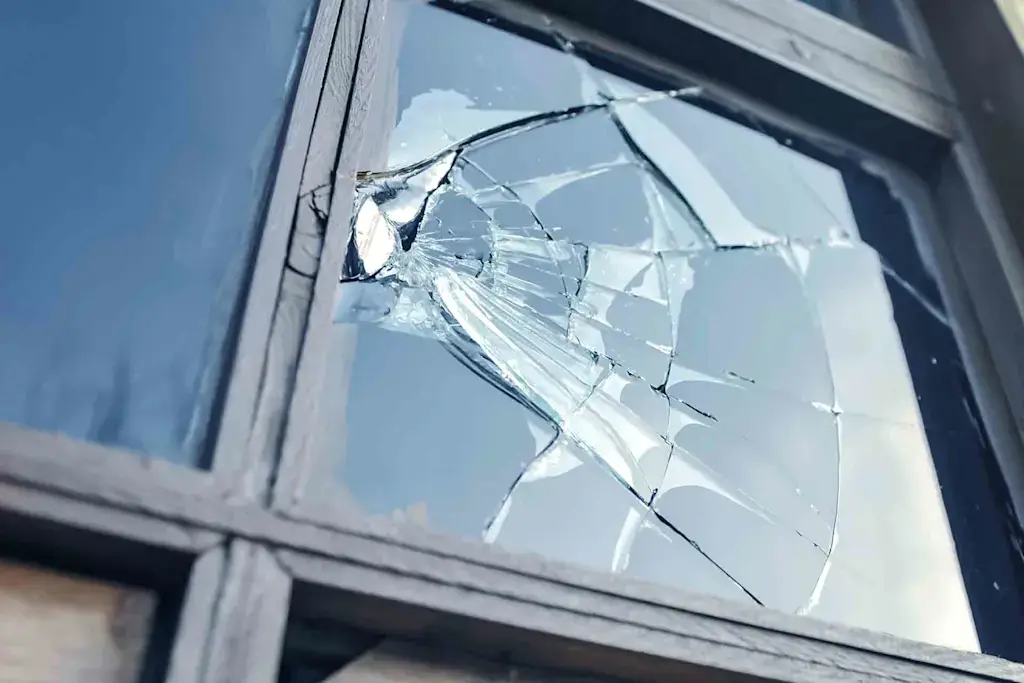
Structural fenestration breaches introduce immediate life safety hazards and severe property vulnerabilities across residential environments. Broken architectural glass presents acute physical risks through razor-sharp shards, high-velocity falling fragments, and microscopic airborne silica particles. When severe weather, blunt impact, or thermal stress shatters window assemblies, indoor environmental control disintegrates rapidly. Property owners must respond immediately to secure the building envelope against wind, water, and unlawful entry.
Managing structural glazing failures requires moving far beyond basic sweeping or superficial tape applications. Architectural glass units operate as engineered stress barriers within building envelopes. Fractured glass retains unpredictable kinetic tension that can cause catastrophic secondary collapse during cleanup efforts. How to Manage Broken Glass Emergency. Handling these compromised assemblies demands strict adherence to industrial safety standards, specialized protective gear, and systematic containment workflows.
Achieving complete site security demands a disciplined emergency management methodology. Safety directors, emergency response coordinators, and experienced glaziers evaluate glass fracture mechanics, structural framing stability, temporary boarding techniques, and insurance liability protocols. Mastering technical procedures regarding how to manage broken glass emergency empowers property occupants to stabilize dangerous failure sites with physical safety and operational efficiency.
Understanding “how to manage broken glass emergency”
Defining Immediate Containment and Hazard Mitigation
Understanding how to manage broken glass emergency is frequently misinterpreted as simply sweeping up visible debris and calling a local repair shop. Many property occupants fail to recognize that fractured window panes remaining inside upper frames pose severe drop hazards. Emergency management professionals prioritize immediate site isolation, perimeter barrier establishment, and structural hazard assessment over premature cleanup efforts. Isolating compromised areas prevents severe laceration injuries and protects occupants from falling overhead shards.
Fracture Physics and Structural Instability
A primary source of injury during emergency response stems from misunderstanding glass fracture dynamics. Standard annealed glass breaks into large, razor-sharp daggers that shear through heavy clothing easily. Toughened safety glass disintegrates into tiny dice-like pebbles that scatter across wide floor radii, creating severe slip hazards. Laminated glass retains shattered fragments along a plastic interlayer, but heavy wind loads can dislodge entire fractured sheets from window frames suddenly.
Risks of Unplanned Emergency Cleanups
Attempting glass removal without proper Personal Protective Equipment introduces severe medical liabilities. Bare hands, thin garden gloves, or soft-soled shoes offer zero protection against razor-sharp glass daggers. Furthermore, applying rigid board-up materials directly to damaged window frames without interior bracing can collapse remaining structural framing. True risk reduction demands systematic site stabilization before permanent glazing repairs begin.
Deep Contextual Background
Industrial Evolution of Safety Glazing Standards
Building safety codes regarding architectural fenestration underwent major legislative transformations over the past century. Early residential construction relied exclusively on thin, unreinforced annealed float glass across all window and door openings. These fragile panes shattered easily under minor impacts, causing catastrophic laceration injuries across domestic settings.
Regulatory Mandates and Safety Classifications
Late-twentieth-century building codes mandated safety glazing across high-risk impact zones, including sliding patio doors, bathroom enclosures, and low-level windows. Regulators enforced strict compliance with impact resistance standards, driving widespread adoption of tempered and laminated glass packages. While these modern materials reduced direct injury risks, managing large-scale structural breaches during severe weather events remains a complex operational challenge.
Supply Chain Realities in Emergency Glazing
Emergency fenestration repairs operate under tight logistical constraints. Custom double-pane insulated glass units or specialized Low-E laminated assemblies cannot be fabricated instantly on-site. Temporary envelope boarding serves as an essential physical bridge while custom replacement glass is manufactured in industrial facilities.
Conceptual Frameworks and Mental Models
The Hazard Isolation Perimeter Framework
This mental model establishes three distinct operational zones surrounding a glass failure site: the Exclusion Zone directly beneath the fractured frame, the Debris Containment Zone spanning the scatter radius, and the Safe Operational Area. Restricting access to trained personnel wearing protective gear prevents incidental bystander injuries.
The Envelope Weatherization Continuity Theorem
Temporary emergency closures must match the structural integrity and weather resistance of the original wall assembly. Board-up structures must withstand local wind pressure loads, prevent rain intrusion, and resist forced entry while awaiting permanent glass fabrication.
The Kinetic Tension Release Model
Shattered annealed glass units retain unpredictable internal mechanical stress. Removing stuck shards manually can release trapped kinetic energy suddenly, causing large glass daggers to slide down frame channels like guillotine blades.
Key Categories and Response Protocols
Executing a safe emergency response requires categorizing glass failure types and selecting appropriate stabilization protocols.
Annealed Float Glass Failure Response
-
Characteristics: Large, razor-sharp daggers remaining stuck in upper window sashes or scattered across interior floors.
-
Protocols: Immediate perimeter evacuation, heavy-duty Kevlar glove deployment, top-down shard removal using suction cups, and heavy-duty plyboard enclosure installation.
Tempered Safety Glass Disintegration
-
Characteristics: Thousands of small glass cubes scattered across wide floor areas, with remaining fragments crumbling under minor pressure.
-
Protocols: Vacuuming debris using industrial HEPA shop vacuums, sweeping perimeter areas with stiff brooms, and securing opening perimeters with heavy poly sheeting.
Laminated Glass Structural Breach
-
Characteristics: Cracked glass webs held together by an internal plastic interlayer, bowing under wind pressure or mechanical impact.
-
Protocols: Applying cross-hatch duct tape across cracked surfaces, securing edge channels, and installing exterior wood bracing to support bowing sheets.
Insulated Double-Pane Outer Glazing Rupture
-
Characteristics: Exterior glass pane shattered while interior pane remains intact, preserving indoor climate seals temporarily.
-
Protocols: Taping exterior cracks, installing temporary exterior board-up panels, and monitoring interior pane deflection against wind loads.
Overhead Skylight and High-Elevation Fractures
-
Characteristics: Broken overhead glazing threatening to drop glass fragments directly into active interior living spaces below.
-
Protocols: Evacuating rooms below immediately, erecting overhead catch tarps, and utilizing elevated boom lifts or exterior scaffolding for stabilization.
| Glass Failure Category | Primary Physical Hazard | Containment Tooling Required | Immediate Envelope Action |
| Annealed Float Glass | Razor-sharp daggers, falling drop hazards | Cut-resistant Kevlar sleeves, suction grips | Top-down shard removal, 3/4-inch plywood board-up |
| Tempered Safety Glass | Wide scatter radius, slip hazards | Industrial HEPA vacuum, stiff push brooms | Floor sweeping, heavy plastic sheeting seal |
| Laminated Glass | Heavy bowing sheets, edge cuts | Cross-hatch reinforcement tape, bracing | Structural 2×4 framing support, exterior cover |
| Insulated Outer Pane | Delayed inner pane collapse | Duct tape, exterior plywood panel | Taping exterior surface, exterior board-up |
| Overhead Skylight | Gravity drop daggers, height falls | Overhead catch tarps, safety harnesses | Floor evacuation, overhead netting, tarping |
Decision Logic for Emergency Execution
Property managers should assess structural frame stability before attempting emergency board-ups. If window frames exhibit severe warping or masonry damage, mounting plywood directly to sashes will fail under wind loads. In such cases, installing interior bracing posts or calling professional emergency glazing crews ensures site safety.
Detailed Real-World Scenarios How to Manage Broken Glass Emergency
Scenario A: High-Wind Storm Tree Branch Impact
Constraints and Environmental Pressures
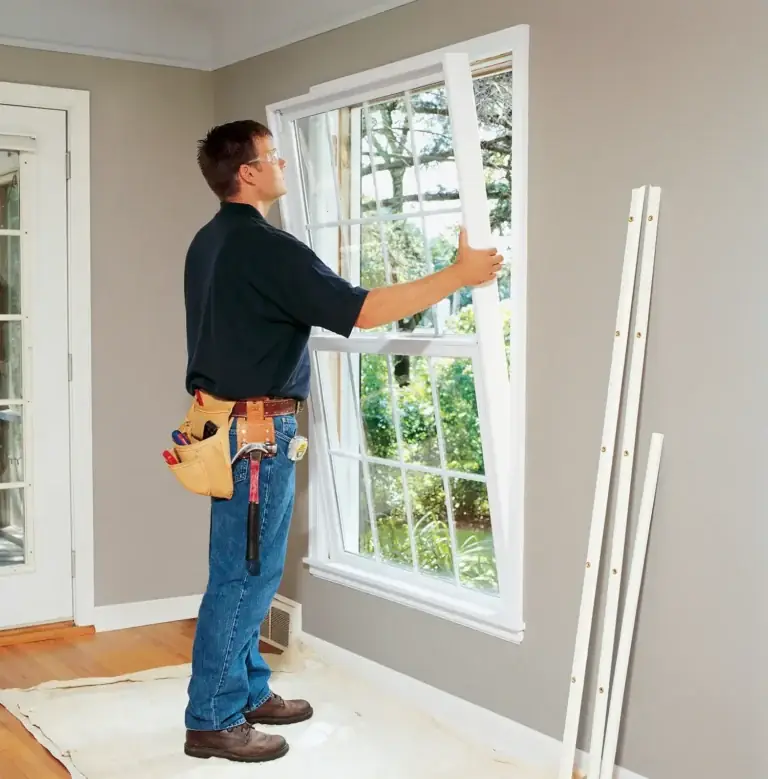
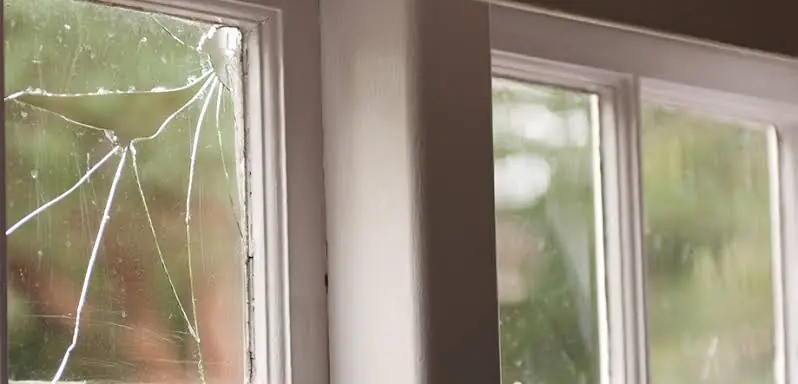
A large double-hung living room window shatters from a falling branch during a midnight rainstorm featuring 50 mph wind gusts.
Decision Points and Execution
The property owner must choose between applying interior plastic taping or erecting an exterior weather-tight plywood board-up using compression bracing.
Failure Modes and Consequences
Attempting to tape plastic sheeting inside allows wind pressure to blow rain behind drywall, causing severe interior ceiling collapse.
Second-Order Effects and Optimization
Installing exterior plywood secured with 2×4 compression cleats seals out rain completely, protecting interior finishes until permanent glass arrives.
Scenario B: Commercial Storefront Vandalism Breach
Constraints and Environmental Pressures
A large annealed glass display window shatters along a busy urban pedestrian sidewalk late at night.
Decision Points and Execution
Choosing between leaving glass fragments on the sidewalk until morning versus executing immediate hazard isolation and professional debris removal.
Failure Modes and Consequences
Leaving unattended sidewalk debris leads to severe pedestrian lacerations and municipal safety liability fines.
Second-Order Effects and Optimization
Setting up warning tape, clearing public walkways with heavy brooms, and securing the opening with plywood eliminates public safety liabilities.
Scenario C: High-Rise Condominium Tempered Balcony Door Spontaneous Fracture
Constraints and Environmental Pressures
Nickel sulfide inclusion causes a 20th-story tempered glass door to disintegrate suddenly, threatening balcony edge drop hazards.
Decision Points and Execution
Deciding whether to vacuum balcony floor debris immediately or lock balcony access doors to prevent wind from blowing shards off the building edge.
Failure Modes and Consequences
Opening balcony doors allows wind gusts to sweep glass pebbles off elevated ledges onto pedestrians walking on streets below.
Second-Order Effects and Optimization
Locking balcony access doors first contains the hazard, allowing maintenance staff to clear debris safely using HEPA vacuums behind protective wind screens.
Scenario D: Residential Patio Door Laminated Glass Break-In Attempt
Constraints and Environmental Pressures
Intruders impact a laminated glass sliding door, leaving a spiderwebbed, structurally weakened glass panel bowing inward.
Decision Points and Execution
Pushing the cracked panel out manually versus sandwiching the laminated sheet between exterior plywood and interior 2×4 support studs.
Failure Modes and Consequences
Pushing the cracked sheet manually causes heavy glass sections to collapse inward onto the operator’s legs.
Second-Order Effects and Optimization
Sandwiching the panel securely between plywood and interior studs stabilizes the opening without risking manual collapse.
Planning, Cost, and Resource Dynamics
Direct and Indirect Financial Allocations
Managing glass emergencies requires allocating funds across immediate site stabilization and permanent replacement. Direct costs include emergency call-out fees, board-up labor, plywood materials, HEPA vacuum rentals, and custom glass fabrication. Indirect costs involve temporary security guard monitoring, hotel accommodations during severe weather breaches, and insurance deductibles.
Cost Variability Factors
Emergency board-up and repair expenses vary based on call-out timing, window elevation, glass type, and site access constraints. Standard daytime board-ups remain economical, whereas midnight emergency calls requiring elevated scaffolding carry premium labor surcharges.
| Emergency Line Item | National Average Cost Range | Cost Factors |
| Standard Emergency Board-Up | $300 – $800 Per Opening | Plywood thickness, compression bracing, labor timing |
| High-Elevation / Overhead Board-Up | $800 – $2,200 Per Opening | Scaffolding rentals, boom lifts, harness rigging |
| Double-Pane Replacement Unit | $450 – $1,200 Per Unit | Custom dimensions, Low-E coatings, argon fills |
| Tempered / Laminated Safety Glass | $600 – $1,800 Per Unit | Fabrication lead times, impact ratings, sizing |
Tools, Strategies, and Support Systems How to Manage Broken Glass Emergency
Essential Emergency Response Equipment
-
Cut-Resistant Kevlar Sleeves and Gloves: Provides ANSI-rated protection against deep lacerations when handling sharp shards.
-
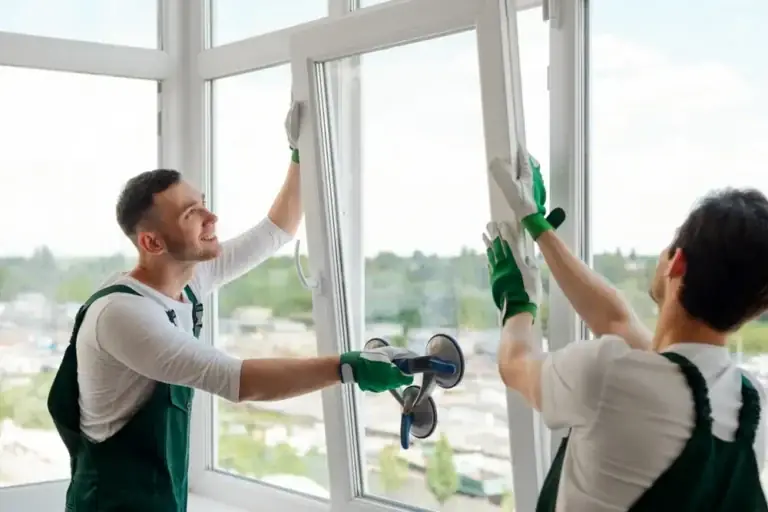
Heavy-Duty Suction Cup Grips: Allows operators to hold and lift loose glass sheets safely without touching sharp edges.
-
Industrial HEPA Shop Vacuums: Clears fine glass dust and micro-shards effectively from carpet fibers and floor cracks.
-
Plywood Panels and Compression Cleats: Provides sturdy physical envelope closures without damaging window frames.
Professional Support Infrastructure
-
24/7 Emergency Glazing Services: Specialized contractors who provide rapid site stabilization, boarding, and custom glass ordering.
-
Insurance Claims Adjusters: Independent inspectors who document physical loss and approve emergency stabilization invoices.
-
Building Security Services: On-site security personnel assigned to guard compromised commercial or residential properties overnight.
Risk Landscape and Failure Modes
Deep Laceration and Tendon Damage
The most severe physical risk involves direct contact with falling glass daggers. Unprotected hands, arms, or legs can suffer deep arterial lacerations and permanent tendon damage within seconds of contact with sharp edges.
Wind Load Infiltration and Board-Up Failure
Fastening plywood to compromised sashes using short screws allows high wind loads to rip board-up panels away from wall openings, exposing interiors to rain and wind damage.
Secondary Silica Dust Inhalation
Sweeping shattered tempered glass creates fine glass dust clouds. Inhaling microscopic silica particles without wearing N95 respirators irritates lung tissue and creates respiratory hazards.
Governance, Maintenance, and Long-Term Adaptation
Emergency Action Plans and Property Audits
Property managers should establish written emergency glazing protocols before disaster strikes. Conducting annual fenestration audits identifies aging sealants, cracked panes, or loose framing hardware requiring maintenance before severe weather arrives.
Response Review Triggers
-
Trigger 1: High wind warnings require checking secondary storm shutters and verifying emergency board-up inventory.
-
Trigger 2: Minor stress cracks along window corners signal thermal fatigue requiring glass replacement before catastrophic shattering occurs.
-
Trigger 3: Failed seal condensation between double-pane glass requires unit replacement to prevent frame rot.
Long-Term Maintenance Protocols
-
Inspect perimeter window caulking annually to ensure continuous weather-tight sealing.
-
Test sliding door rollers and track latches semi-annually to prevent frame binding under load.
-
Keep emergency board-up kits—including pre-cut plywood, compression 2x4s, and Kevlar gloves—stocked in maintenance rooms.
-
Maintain active service contracts with local 24/7 emergency glazing vendors.
Measurement, Tracking, and Evaluation
Leading and Lagging Indicators
Leading indicators include maintaining emergency response kits, conducting annual fenestration audits, and training maintenance staff on cut-resistant PPE protocols. Lagging indicators encompass total injury-free emergency interventions, rapid board-up completion times, and zero weather-related secondary property damage.
Documentation Standards
-
Maintain a digital emergency log recording failure causes, board-up completion times, and glazier contact records.
-
Archive photographic evidence of broken glass sites before cleanup to support insurance claims.
-
Keep manufacturer glass specification sheets and warranty certificates in a permanent property file.
Common Misconceptions and Oversimplifications How to Manage Broken Glass Emergency
Myth 1: Standard Leather Gloves Stop All Glass Cuts
Standard leather work gloves puncture easily when pressed against heavy glass daggers; only cut-resistant ANSI-rated Kevlar gloves offer adequate protection.
Myth 2: Duct Taping Broken Glass Makes It Entirely Safe
Applying duct tape across cracked glass holds small pieces together temporarily, but heavy sheets can still drop out of frames without warning.
Myth 3: Vacuuming Glass with Household Vacuums Is Safe
Household vacuum cleaners lack HEPA filtration and internal metal armor; sharp glass shards tear vacuum bags and ruin internal motor impellers.
Myth 4: Emergency Plywood Can Be Nailed Directly into Vinyl Frames
Nailing plywood into vinyl window profiles shatters the hollow frame chambers, turning a minor glass replacement into an expensive full-frame replacement.
Myth 5: All Glass Breaks the Same Way
Annealed glass produces dangerous daggers, tempered glass crumbles into tiny cubes, and laminated glass bows; each requires completely different handling protocols.
Myth 6: Insurance Covers All Emergency Board-Up Costs Automatically
Insurance carriers require detailed photo documentation and reasonable mitigation expenses; hiring unvetted contractors charging exorbitant fees can result in denied claims.
Ethical, Practical, and Contextual Considerations
Managing structural glass emergencies requires balancing immediate life safety with long-term building preservation. Securing compromised openings promptly protects property, preserves indoor environmental quality, and prevents public safety hazards along sidewalks. Learning how to manage broken glass emergency supports responsible property management, ensuring occupants remain safe during unforeseen building envelope failures.
Conclusion
Navigating structural glass failures demands operational discipline, technical understanding, and strict adherence to personal safety protocols. Mastering procedures on how to manage broken glass emergency requires looking past superficial cleanups to enforce hazard isolation, cut-resistant PPE deployment, and structural envelope boarding. Property managers and occupants who handle glass emergencies with methodical rigor eliminate injury risks, secure physical assets, and restore building safety effectively.