How to Manage Foggy Double Pane Windows: Thermal Diagnostics and Glass Restoration
Architectural fenestration assemblies across modern residential structures rely on sealed insulated glass units to regulate thermal transmittance, ambient interior acoustics, and building envelope integrity. When two or more glass lites are separated by a perimeter spacer system, an enclosed dead-air or noble gas cavity is created. This sealed chamber restricts conductive and convective heat transfer significantly. How to Manage Foggy Double Pane Windows. Over decades of exposure to outdoor atmospheric cycles, solar radiation, and structural deflection, these perimeter seal boundaries undergo continuous mechanical stress.
When primary or secondary seals fail, ambient water vapor penetrates the internal cavity space, causing desiccant saturation and eventual glass fogging. This chemical and physical degradation obscures optical clarity while reducing the thermal performance of the building envelope. Property managers, building science consultants, and homeowners frequently encounter severe challenges when diagnosing internal condensation across aging glass sashes.
Addressing interior glass fogging demands an analytical building science methodology. Evaluating whether a fenestration assembly requires micro-drilling defogging treatments, targeted sash re-glazing, or complete unit replacement depends on structural frame conditions and glass coating integrity. Learning how to manage foggy double pane windows empowers property owners to execute technically sound restoration decisions while optimizing long-term capital investments.
Understanding “how to manage foggy double pane windows”
Multi-Perspective Analysis of Insulated Glass Failure
Understanding how to manage foggy double pane windows is frequently misinterpreted as simply wiping down exterior glass surfaces or applying temporary anti-fog chemical sprays. Many property owners assume that glass fogging represents a surface cleaning issue rather than a structural seal rupture. Building scientists and glazing engineers evaluate foggy windows through an environmental thermodynamics lens. High-performance insulated glass management balances seal integrity, desiccant chemical absorption capacity, solar pumping pressure cycles, and glass coating preservation.
Solar Pumping Mechanics and Microclimate Stress
A primary driver of premature seal failure involves the physical phenomenon known as solar pumping. When direct sunlight strikes an insulated glass unit, the air or argon gas inside the cavity expands rapidly, forcing the glass panes to bow outward. At night, ambient cooling causes internal gases to contract, drawing the glass inward. This continuous daily expansion and contraction exerts immense mechanical stress along edge sealants, eventually creating microscopic fissures that pull moist outdoor air into the cavity.
Risks of Delayed Remediation
Ignoring persistent internal glass fogging causes permanent chemical etching across interior glass surfaces. As moisture condenses and evaporates repeatedly inside the cavity, dissolved mineral deposits react with low-emissivity metallic coatings. This chemical oxidation leaves permanent white silica stains and rainbow haze that cannot be removed by cleaning, forcing complete glass unit replacement. Strategic management requires early technical intervention to evaluate restoration options before permanent glass etching occurs.
Deep Contextual Background
Industrial Evolution of Insulated Glass Manufacturing
Insulated glass technology evolved significantly over the past century alongside advances in chemical sealant formulations and automated fabrication. Early mid-twentieth-century double-pane units utilized soldered lead edge spacers or single-component butyl sealants. These traditional assemblies provided basic thermal insulation, though rigid edge construction permitted high stress concentration, leading to premature glass cracking and rapid seal failure.
Development of Dual-Seal Systems and Warm-Edge Spacers
The late twentieth century brought the commercialization of dual-seal technology, combining a primary polyisobutylene seal for moisture vapor resistance with a secondary silicone or polyurethane structural seal. Concurrently, manufacturers introduced warm-edge spacers crafted from stainless steel, polyolefin foam, or structural fiberglass, replacing highly conductive aluminum spacer channels. These engineering innovations reduced thermal bridging while accommodating daily solar pumping movement.
Modern Gas Fills and Spectrally Selective Low-E Coatings
Contemporary insulated glass units incorporate argon or krypton gas fills paired with magnetron-sputtered low-emissivity metallic layers. These spectrally selective coatings reflect invisible infrared radiation while transmitting high levels of visible daylight. Understanding this manufacturing complexity explains why modern window restoration requires precise technical evaluation rather than superficial surface repairs.
Conceptual Frameworks and Mental Models
The Desiccant Saturation Threshold Model
This chemical model evaluates the moisture-absorption capacity of molecular sieve desiccants embedded inside hollow spacer channels. Once trapped moisture exceeds the desiccant’s chemical capacity, free water vapor begins condensing on cooler glass surfaces during temperature drops.
The Dual-Seal Failure Progression Index
Perimeter seals fail through distinct mechanical stages. This structural model tracks initial primary polyisobutylene seal micro-fissuring, secondary structural sealant degradation, argon gas escape, and ultimate atmospheric water vapor intrusion into the glass cavity.
The Restoration Cost-Benefit Payback Matrix
Evaluating window repair options requires balancing financial expenditure against remaining frame lifespan. This planning model compares low-cost defogging drilling procedures, mid-range sash re-glazing, and high-cost full unit replacements against long-term energy savings and glass clarity.
Key Categories and Remediation Typologies
Selecting appropriate glass management strategies requires evaluating distinct structural approaches and material options. Each strategy presents specific cost, labor, and optical performance trade-offs.
Physical Micro-Drilling and Chemical Defogging
Small precision holes are drilled through outer glass corners, allowing technical cleaning solutions to wash away internal mineral deposits before installing one-way micro-vent plugs. This method restores optical clarity at low cost, leaving thermal argon insulation un-restored and cavity seal ruptures unsealed.
Insulated Glass Unit Replacement Only
Removing failed glass packages directly from existing operable sashes while retaining original window frames and exterior wall flashings. This approach restores factory thermal insulation values and glass clarity, requiring sound frame structures and specialized glazing labor.
Full-Frame Window Unit Replacement
Complete removal of original window frames, sashes, and interior trim down to rough structural wall framing, followed by new window installation. This strategy addresses severe frame rot, drafty wall perimeters, and failed glass simultaneously, carrying high capital and interior finish costs.
Exterior Sash Re-glazing and Sealant Overlay
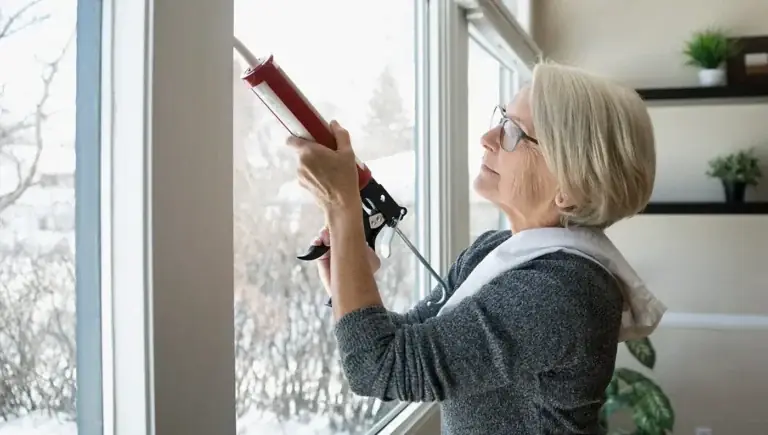
Applying fresh silicone structural sealant beads over existing exterior glass stops to slow down active water infiltration along aging perimeter joints. This low-cost preventative maintenance method protects sound secondary seals, offering zero restoration value for units with existing internal fogging.
Desiccant Injection and Cavity Flushing
Specialized restoration processes inject fresh liquid desiccant compounds or dry nitrogen gas into drilled cavity ports before sealing access points. This technical process removes active interior moisture temporary, requiring intact secondary structural seals to prevent rapid re-fogging.
Film Application and Solar Control Retrofits
Applying low-emissivity window films over exterior glass surfaces reduces direct solar radiation absorption and lowers internal cavity expansion pressures. This thermal management strategy slows down solar pumping stress on aging windows, offering zero optical correction for existing internal stains.
| Remediation Typology | Optical Clarity Restoration | Thermal Performance | Labor Complexity | Relative Cost Tier |
| Micro-Drilling Defogging | Moderate to High | Low (Gas Lost) | Low | Economical |
| Glass Unit Replacement | Maximum | Maximum (Factory) | Moderate | Moderate |
| Full-Frame Replacement | Maximum | Maximum | High | Premium |
| Sealant Overlay | None (Preventative) | Existing Baseline | Low | Very Low |
| Desiccant Injection | Moderate | Moderate | Moderate | Moderate |
| Solar Film Retrofit | None | Moderate (Solar) | Low | Economical |
Decision Logic for Window Management
Property owners should analyze frame structural integrity, glass coating condition, and budget parameters before selecting remediation paths. When window frames remain structurally sound without wood rot or frame warping, specifying glass unit replacement delivers optimal thermal performance while controlling labor expenses. For budget-constrained projects with un-etched clear glass, micro-drilling defogging procedures provide immediate visual improvements.
Detailed Real-World Scenarios How to Manage Foggy Double Pane Windows
Scenario A: Suburban Residential Home in Ohio
Constraints and Environmental Pressures
A twenty-year-old home featuring double-hung wood windows with fogged lower glass sashes, sound timber frames, and cold winter heating demands.
Decision Points and Execution
Choosing between replacing complete window units or ordering custom-sized insulated glass replacement packages for failed sashes.
Failure Modes and Consequences
Selecting full-frame window replacement unnecessarily destroys original interior hardwood trim, doubling overall project expenses without improving glass performance over sash re-glazing.
Second-Order Effects and Optimization
Ordering custom insulated glass packages preserves original hardwood trim, restores factory U-factors, and lowers total capital expenditure by sixty percent.
Scenario B: Commercial Office Building in Seattle
Constraints and Environmental Pressures
A multi-story commercial building with fixed aluminum curtain-wall windows experiencing widespread internal seal failure and fogging across north elevations.
Decision Points and Execution
Executing micro-drilling defogging procedures across forty vision panels versus staged glass unit replacements using crane rigging.
Failure Modes and Consequences
Attempting full-frame curtain wall replacement disrupts commercial tenant lease operations, generating severe rental revenue losses and high scaffolding costs.
Second-Order Effects and Optimization
Utilizing specialized commercial micro-drilling defogging clears optical visibility rapidly, satisfies commercial tenant sightlines, and defers major capital expenditure until planned facade renovations.
Scenario C: Coastal Condominium in Gulf Shores
Constraints and Environmental Pressures
An oceanfront condo unit featuring impact-resistant double-pane sliding doors facing intense solar radiation, high humidity, and internal low-E coating oxidation.
Decision Points and Execution
Attempting micro-drilling defogging on oxidized low-E glass versus installing new impact-rated insulated glass units containing warm-edge spacers.
Failure Modes and Consequences
Drilling micro-holes into oxidized low-E glass fails to clean white metallic corrosion, leaving permanent rainbow haze while weakening impact-resistant structural glass integrity.
Second-Order Effects and Optimization
Replacing failed impact glass packages with factory-sealed warm-edge units eliminates internal haze, restores hurricane impact compliance, and resists coastal humidity.
Scenario D: Historic Infill Property in Baltimore
Constraints and Financial Limits
A historic masonry residence with custom arched wood windows displaying internal condensation, subject to strict historic preservation board guidelines.
Decision Points and Execution
Installing non-compliant standard vinyl replacement windows versus disassembling custom wood sashes to insert new custom-shaped insulated glass units.
Failure Modes and Consequences
Installing vinyl windows triggers municipal historic preservation fines and mandatory removal orders, destroying renovation budgets.
Second-Order Effects and Optimization
Re-glazing original wood sashes with custom-shaped double-pane glass preserves historic architectural sightlines while upgrading building energy efficiency legally.
Planning, Cost, and Resource Dynamics
Direct and Indirect Financial Allocations
Managing foggy window retrofits requires allocating capital across diagnostic surveys, custom glass fabrication, specialized glazing labor, and disposal fees. Direct expenses include factory glass unit manufacturing, low-E coating deposition, structural silicone sealants, and installer labor hours. Indirect costs involve municipal permit fees, scaffolding rentals, interim interior protection, and disposal fees. Reserving a ten percent financial contingency protects property owners when rotted glazing stops are discovered during sash disassembly.
Price Variability Factors Across Repair Options
Window repair pricing varies significantly based on glass size, coating complexity, frame elevation, and local labor rates. Standard rectangular double-pane clear glass inserts remain economical, whereas custom-shaped, tempered, or impact-rated Low-E glass packages carry higher manufacturing surcharges.
| Remediation Scope | Cost Range Per Opening | Primary Cost Drivers |
| Micro-Drilling Defogging | $75 – $150 | Labor hours, specialist equipment |
| Insulated Glass Insert Unit | $150 – $400 | Glass dimensions, Low-E coatings, argon gas |
| Impact-Rated Glass Package | $350 – $850 | Laminated safety glass, ionoplast interlayers |
| Full-Frame Window Unit | $500 – $1,500+ | Complete frame demolition, interior trim carpentry |
Tools, Strategies, and Support Systems
Essential Diagnostic Tools
-
Non-Contact Infrared Thermometers: Handheld optical devices used to detect thermal insulation voids and temperature drops across failed glass cavities.
-
Optical Magnifying Diagnostic Loupes: Field tools used to inspect primary polyisobutylene seal edge condition and identify internal Low-E coating oxidation.
-
Laser Glass Thickness Gauge Instruments: Non-destructive measuring tools used to verify air space width and glass pane thickness before ordering replacements.
-
Suction-Cup Glass Handling Rigging: Heavy-duty pneumatic tools required to lift and maneuver large insulated glass units safely during installation.
Professional Support Infrastructure
-
Certified Master Glaziers: Specialized trade professionals trained in disassembling sashes, setting glass setting blocks, and applying structural sealants.
-
Building Envelope Diagnostic Consultants: Independent engineers who conduct thermographic building audits to identify systemic seal failures.
-
Wholesale Architectural Glass Fabricators: Regional manufacturing facilities producing custom-sized, NFRC-certified insulated glass units.
Risk Landscape and Failure Modes
Glass Thermal Stress Fractures
Drilling access holes into tempered glass units causes immediate catastrophic glass shattering. Technicians must verify glass heat-treatment stamps before attempting mechanical defogging procedures.
Structural Sash Framing Decay
Installing heavy replacement glass units into water-damaged wood sashes leads to sash sagging and frame failure. Hidden wood rot must be remediated prior to glass installation.
Chemical Low-E Coating Oxidation
Delaying remediation allows trapped water vapor to react chemically with internal metallic coatings. Oxidized Low-E layers create permanent white corrosion spots that cannot be removed by defogging.
Governance, Maintenance, and Long-Term Adaptation
Inspection Protocols and Glazing Execution
Managing insulated glass assets requires enforcing strict quality checks during installation. Technicians should verify setting block positioning under glass edges, confirm continuous secondary sealant adhesion, and ensure frame weep channels remain clear of obstruction.
Performance Improvement Triggers
-
Trigger 1: Slight interior glass fogging during cold morning hours indicates initial desiccant saturation requiring technical inspection.
-
Trigger 2: Visible water pooling inside lower glass spacer channels signals primary seal failure requiring glass package replacement planning.
-
Trigger 3: White haze or rainbow discoloration forming on glass interiors signals permanent Low-E oxidation requiring complete unit ordering.
Long-Term Maintenance Protocols
-
Clean exterior frame weep channels semi-annually using small brush tools to ensure proper rainwater discharge away from lower edge seals.
-
Inspect exterior glazing caulk beads every autumn to identify cracking or loss of adhesion before winter freezes occur.
-
Wash exterior glass surfaces using pH-neutral cleaning solutions, avoiding aggressive pressure washers that damage secondary perimeter seals.
-
Retain balanced interior relative humidity below forty percent during cold winter months to reduce thermal condensation stress.
Measurement, Tracking, and Evaluation
Leading and Lagging Performance Signals
Leading indicators include verifying certified NFRC energy labels, inspecting spacer bar desiccant fill quality, and testing frame weep channel drainage. Lagging indicators encompass restored optical glass clarity, reduced seasonal heating utility expenditures, and zero perimeter water leaks during heavy rainstorms.
Documentation Standards
-
Maintain a digital property record archiving glass purchase invoices, NFRC energy stickers, and manufacturer warranty certificates.
-
Archive pre-repair and post-repair photographs documenting frame conditions, glass labels, and sealant installation details.
-
Keep detailed records of glass pane dimensions, air space widths, and Low-E coating specifications for future maintenance reference.
Common Misconceptions and Oversimplifications How to Manage Foggy Double Pane Windows
Myth 1: Foggy Windows Always Require Complete Frame Replacement
Replacing complete window frames is unnecessary when timber or aluminum frames remain sound; ordering replacement glass units restores full efficiency at a fraction of the cost.
Myth 2: Exterior Anti-Fog Sprays Eliminate Internal Cavity Fogging
Surface anti-fog sprays treat exterior glass surfaces only, offering zero effect on moisture trapped inside sealed internal cavities.
Myth 3: Defogging Drilling Restores Factory Argon Gas Fills
Drilling access holes vents trapped moisture but releases remaining argon gas permanently, restoring optical clarity while leaving thermal insulation at air-filled baselines.
Myth 4: Hairdryers Can Dry Out Internal Fogging Permanently
Applying heat to exterior glass surfaces evaporates internal moisture temporarily, which condenses back onto glass panes as soon as temperatures drop.
Myth 5: Double-Pane Glass Seals Last Forever Without Maintenance
Perimeter sealants degrade naturally over fifteen to twenty-five years under solar pumping stress and water exposure; periodic inspection is essential.
Myth 6: All Glass Condensation Occurs Inside the Sealed Cavity
Condensation forming on room-side interior glass surfaces during winter indicates high indoor humidity rather than failed insulated glass seals.
Ethical, Practical, and Contextual Considerations
Planning cost-effective glass management balances financial resource allocation with environmental stewardship and occupant safety. Replacing failed insulated glass units rather than discarding complete window assemblies minimizes construction waste diverted to municipal landfills. Restoring thermal efficiency across aging fenestration lowers fossil fuel energy consumption for residential heating and cooling over multi-decade lifespans. Learning how to manage foggy double pane windows supports sustainable property management, ensuring building envelopes remain energy-efficient, optically clear, and structurally sound over long operational horizons.
Conclusion
Navigating insulated glass restoration requires analytical building science discipline, structural awareness, and strategic capital planning. Understanding how to manage foggy double pane windows demands looking past superficial surface cleaning to evaluate perimeter seal degradation physics, desiccant saturation limits, micro-drilling defogging options, and sash re-glazing methodologies. Property managers and homeowners who address glass failure with technical rigor eliminate unnecessary frame demolition, preserve building energy efficiency, and restore visual transparency within realistic financial boundaries.