Best Window Replacement for Noise Reduction: An Acoustic and Architectural Guide
Acoustic discomfort inside residential spaces stems directly from vulnerabilities in the building envelope. Environmental noise pollution from urban traffic, railway corridors, aircraft flight paths, and neighborhood activity easily bypasses weak building barriers. Best Window Replacement for Noise Reduction. Glazing assemblies represent the most susceptible physical pathway for exterior sound transmission. Standard window units designed solely for thermal insulation frequently fail to attenuate complex acoustic frequencies.
Resolving interior noise intrusion requires looking beyond basic glass upgrades. Sound waves travel through building assemblies via direct airborne transmission and structural vibration. High-frequency sounds act differently than low-frequency rumble produced by diesel engines or heavy machinery. Addressing these varied sound waves demands a deep understanding of acoustic engineering and fenestration mechanics.
This reference guide provides an exhaustive technical analysis of acoustic window design and sound mitigation strategies. It examines glass mass principles, asymmetric glazing configurations, acoustic interlayers, framing density, and perimeter sealing details. Readers will discover actionable frameworks designed to evaluate and select the best window replacement for noise reduction across diverse acoustic environments.
Understanding “best window replacement for noise reduction”
Decoupling Acoustic Ratings from Thermal Performance
The term best window replacement for noise reduction is often misunderstood as a simple thermal insulation requirement. Property owners frequently assume that energy-efficient double-pane or triple-pane windows automatically eliminate exterior noise. Building acousticians recognize that thermal performance metrics like U-factor do not correlate directly with acoustic attenuation. Standard thermal double-pane windows often transmit low-frequency sound through internal resonance inside the sealed air cavity.
Decibel Attenuation and Human Perception
Sound attenuation follows a logarithmic decibel scale rather than a linear metric. A ten-decibel reduction in sound transmission represents a fifty percent decrease in perceived loudness to the human ear. Achieving meaningful acoustic isolation requires targeted material dampening. Evaluating options for the best window replacement for noise reduction requires analyzing Sound Transmission Class and Outdoor-Indoor Transmission Class ratings rather than relying on thermal marketing claims.
The Weakest-Link Principle
Acoustic energy leaks through microscopic gaps just as water flows through small cracks. A high-performance acoustic glass panel loses its dampening capacity if installed with unsealed perimeter gaps or lightweight uninsulated hollow frames. True acoustic comfort demands an unbroken sound barrier across the entire window opening assembly.
Deep Contextual Background
The Evolution of Residential Acoustic Standards
Residential construction historically prioritized basic weather protection over sound dampening. Early single-pane wood windows offered minimal acoustic resistance, permitting easy sound entry. Mid-twentieth-century suburban development positioned housing closer to high-capacity highways and airports, escalating noise complaints across urban regions.
Technological Advancement in Acoustic Glazing
Early soundproofing efforts relied on adding heavy secondary storm windows to create large air gaps. Modern manufacturing revolutionized acoustic dampening through polyvinyl butyral and specialized acoustic interlayers laminated directly between glass panes. These visco-elastic interlayers absorb sound vibration energy, converting acoustic waves into harmless heat energy before entering living spaces.
Modern Urban Density Pressures
Increasing urban density and mixed-use zoning create complex acoustic environments where residential spaces sit adjacent to commercial activity and transit networks. Modern building codes increasingly incorporate strict indoor decibel limits, forcing architects and property owners to specify advanced acoustic fenestration packages during renovations.
Conceptual Frameworks and Mental Models
The Mass-Air-Mass Resonance Concept
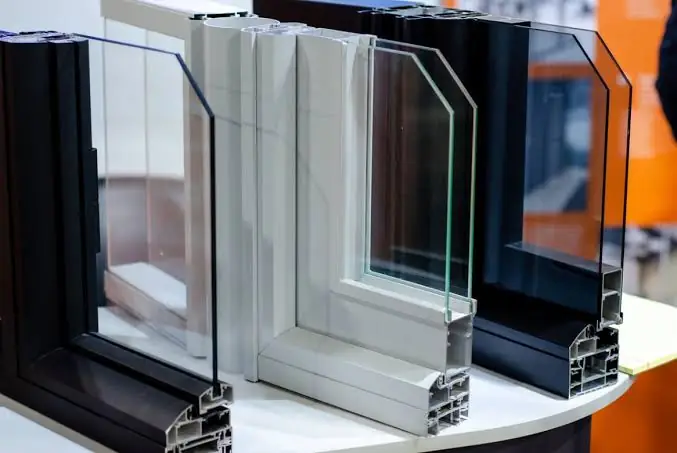
Standard double-pane windows utilize two glass panes of equal thickness separated by a small air gap. This configuration creates a resonant chamber that easily transmits specific mid-frequency sounds. Breaking this resonance requires varying glass pane thicknesses to disrupt sound wave frequency matching.
The Dissimilar Mass Principle
Combining glass panes of unequal thickness forces sound waves to pass through materials with different natural resonant frequencies. The first pane dampens specific sound wavelengths, while the second dissimilar pane interrupts remaining acoustic frequencies, significantly increasing overall sound transmission loss.
The Visco-Elastic Dampening Model
Laminated acoustic glass utilizes a flexible polymer interlayer sandwiched between two glass sheets. When sound waves strike the outer glass layer, the visco-elastic interlayer shears micro-mechanically, dissipating acoustic energy rather than transmitting vibration directly to the inner glass pane.
Key Categories and Material Variations
Laminated Acoustic Glass Units
-
Characteristics: Glass assemblies incorporating specialized acoustic polyvinyl butyral interlayers sandwiched between glass sheets.
-
Trade-offs: Superior high-frequency sound attenuation and forced-entry security. Increases panel weight and overall manufacturing cost.
Asymmetric Double-Glazed Assemblies
-
Characteristics: Insulated glass units featuring two panes of different thicknesses, such as combining a four-millimeter pane with a six-millimeter pane.
-
Trade-offs: Disrupts sound wave resonance effectively at a moderate cost point. Requires careful frame depth planning.
Wide-Air-Gap Secondary Window Systems
-
Characteristics: Installing a secondary interior sound-control window two to four inches away from the primary window assembly.
-
Trade-offs: Delivers exceptional low-frequency noise dampening suitable for airport zones. Requires double sash operation and wide interior sills.
Dissimilar Mass Triple-Glaze Systems
-
Characteristics: Advanced units combining three glass panes of varied thicknesses paired with acoustic laminated interlayers and gas fills.
-
Trade-offs: Combines maximum thermal efficiency with broad-spectrum acoustic dampening. Structural frames must support heavy overall glass mass.
Heavy Dense Frame Formulations
-
Characteristics: Frame profiles engineered with dense multi-chambered vinyl, heavy pultruded fiberglass, or solid wood filled with acoustic insulation.
-
Trade-offs: Eliminates frame vibration transmission effectively. Higher initial material investment compared to lightweight hollow frames.
| Acoustic Category | STC Rating Range | Low-Frequency Dampening | Thermal Efficiency | Relative Cost Tier |
| Standard Double-Pane | 26 – 28 | Poor | Moderate | Low |
| Asymmetric Double-Pane | 32 – 35 | Moderate | Moderate to High | Moderate |
| Laminated Acoustic Unit | 35 – 42 | Good to Excellent | High | High |
| Wide-Gap Secondary System | 40 – 50+ | Maximum | Very High | High |
| Dissimilar Triple-Laminate | 42 – 48 | Excellent | Maximum | Very High |
Decision Logic for Material Selection
Property owners must diagnose specific exterior noise profiles before choosing an acoustic category. For high-frequency urban chatter or sirens, laminated acoustic glass units provide optimal dampening. When dealing with low-frequency aircraft or heavy highway traffic, wide-air-gap secondary systems or dissimilar triple-laminate units represent the most effective solution.
Detailed Real-World Scenarios Best Window Replacement for Noise Reduction
Scenario A: Urban Highway Corridor Residence
-
Constraints: Continuous low-frequency diesel engine rumble and high-speed tire noise from an adjacent eight-lane highway.
-
Decision Points: Standard replacement windows versus asymmetric double-glazed units with acoustic laminated glass.
-
Failure Modes: Installing standard double-pane windows leaves low-frequency road rumble virtually unchanged due to cavity resonance.
-
Second-Order Effects: Specifying asymmetric laminated glazing increases STC ratings significantly, restoring quiet sleeping conditions and increasing property resale value.
Scenario B: Airport Flight Path Neighborhood
-
Constraints: Intermittent high-decibel jet engine noise passing directly over a single-family residential structure.
-
Decision Points: Replacing existing windows completely versus adding high-STC interior secondary acoustic panels with a four-inch air gap.
-
Failure Modes: Replacing windows with standard units fails to block deep low-frequency jet engine vibration.
-
Second-Order Effects: Installing interior acoustic storm panels creates a large dead-air buffer that absorbs low-frequency jet noise without altering historic exterior aesthetics.
Scenario C: Downtown Mixed-Use Entertainment District
-
Constraints: High-frequency nightlife noise, street pedestrian chatter, and loud music pounding through bedroom windows late at night.
-
Decision Points: Choosing standard triple-pane glass versus dense fiberglass frames fitted with laminated acoustic glass.
-
Failure Modes: Standard triple glass lacks laminated dampening, allowing high-frequency music bass to vibrate lightweight frames.
-
Second-Order Effects: Deploying dense fiberglass frames paired with acoustic laminated glass stops high-frequency sound transmission, ensuring uninterrupted sleep.
Scenario D: Suburban Railway Line Adjacency
-
Constraints: High-decibel horn blasts and ground vibration from freight trains running past property boundaries multiple times daily.
-
Decision Points: Basic vinyl window replacement versus heavy acoustic-laminated assemblies installed with low-expansion acoustic foam perimeter seals.
-
Failure Modes: Uninsulated hollow frame perimeters allow acoustic vibration to bypass the glass and resonate through surrounding wall studs.
-
Second-Order Effects: Combining laminated acoustic glass with dense frame insulation and acoustic sealant eliminates train horn penetration and frame chatter.
Planning, Cost, and Resource Dynamics
Direct and Indirect Financial Allocation
Budgeting for acoustic fenestration requires evaluating specialized glass fabrication, heavy-duty frame engineering, and expert installation labor. Direct expenses include laminated glass upgrades, custom frame extrusions, and high-density perimeter sealants. Indirect costs involve structural header reinforcement for heavy glass, scaffolding rentals for multi-story installations, and professional acoustic testing fees.
Cost Variability Factors
Acoustic window pricing varies based on glass lamination thickness, frame mass density, and custom sizing requirements. Standard production windows remain economical, whereas custom acoustic units with high STC ratings carry premium manufacturing costs.
| Acoustic Window Scope | Average Cost Range Per Opening | Primary Cost Drivers |
| Asymmetric Double-Pane Unit | $600 – $1,200 | Glass thickness variation, multi-chamber frame |
| Laminated Acoustic Unit | $900 – $2,000 | Polyvinyl butyral interlayer quality, heavy glass |
| Secondary Interior Sound Panel | $500 – $1,500 | Custom mounting tracks, acoustic acrylic/glass |
| High-STC Commercial Grade Unit | $1,800 – $3,800+ | Heavy steel/fiberglass framing, triple-laminate glass |
Tools, Strategies, and Support Systems
Specialized Diagnostic Instruments
-
Digital Sound Level Meters: Measures real-time decibel levels across varying frequency bands inside living spaces.
-
Acoustic Spectrum Analyzers: Identifies exact dominant frequency spikes to match specific glass lamination requirements.
-
Ultrasonic Air Leakage Detectors: Pinpoints microscopic perimeter seal gaps where sound energy bypasses window frames.
-
Infrared Thermography Scanners: Checks perimeter frame insulation continuity following installation.
Professional Support Networks
-
Acoustic Engineering Consultants: Measure baseline site noise profiles and write exact technical fenestration specifications.
-
Certified Glazing Contractors: Ensure heavy acoustic glass assemblies are shimmed and sealed according to strict acoustic protocols.
-
Municipal Noise Abatement Boards: Provide local noise mapping data and guidelines for transit corridor dampening.
Risk Landscape and Failure Modes
Perimeter Acoustic Flanking
A primary failure mode occurs when high-STC glass is installed into a rough opening using standard expanding foam. Low-density foam creates hollow air pockets that act as acoustic flanking paths, allowing sound to bypass the expensive glass assembly completely.
Structural Frame Resonance
Using lightweight hollow vinyl frames without internal acoustic foam or metal reinforcement allows exterior sound vibrations to resonate through the frame structure, compromising the performance of high-grade acoustic glass.
Hardware Compression Failure
Worn or cheap weatherstripping gaskets fail to maintain continuous seal compression against operable sashes. Microscopic gaps around latches allow airborne sound waves to pass freely into interior living spaces.
Governance, Maintenance, and Long-Term Adaptation
Monitoring and Review Cycles
Property owners should inspect acoustic window seals annually before heavy noise seasons begin. Inspectors must check compression gasket elasticity, latch locking tension, and perimeter caulk adhesion.
Operational Adjustment Triggers
-
Trigger 1: Increased interior noise levels during traffic peaks signal flattened weatherstripping gaskets that require replacement.
-
Trigger 2: Rattling sashes during heavy vehicle passes indicate loose locking hardware requiring tension adjustment.
-
Trigger 3: Cracked or hardened exterior caulking joints require immediate re-application of high-performance acoustic sealants.
Long-Term Maintenance Checklist
-
Clean track mechanisms and compression gaskets semi-annually with mild soap to maintain rubber elasticity.
-
Inspect multi-point locking hardware annually to ensure tight sash-to-frame compression.
-
Re-apply non-hardening acoustic sealants along perimeter trim joints where structural settling occurs.
-
Verify secondary storm sash alignment to preserve optimal dead-air acoustic spacing.
Measurement, Tracking, and Evaluation
Leading and Lagging Performance Indicators
Leading indicators include verifying certified Sound Transmission Class test reports and ensuring non-hardening acoustic sealants are specified in contracts. Lagging indicators encompass measurable interior decibel reductions, improved sleep quality, and the elimination of audible frame rattling during high-noise events.
Documentation Standards
-
Maintain a digital file containing certified NFRC and STC laboratory test reports for installed window units.
-
Archive pre- and post-installation decibel measurement logs to verify acoustic performance improvements.
-
Retain installer labor warranties and acoustic sealant specification sheets in a permanent property folder.
Common Misconceptions and Oversimplifications Best Window Replacement for Noise Reduction
Myth 1: Triple-Pane Windows Always Block More Noise Than Double-Pane
Standard triple-pane windows with thin, equally spaced glass panes can vibrate at mid-frequencies, performing worse acoustically than a double-pane unit built with thick laminated acoustic glass.
Myth 2: Thermal Insulation Equals Acoustic Dampening
Lightweight thermal insulation materials block heat conduction but fail to absorb dense acoustic wave vibrations.
Myth 3: Caulking Gaps with Standard Latex Caulk Stops Sound
Standard latex caulk hardens and shrinks over time, cracking under vibration and creating paths for sound entry; only non-hardening acoustic sealants maintain airtight sound barriers.
Myth 4: Adding Thicker Glass Solves Low-Frequency Rumble
Increasing glass thickness alone helps high-frequency noise, but blocking low-frequency rumble requires wide air gaps or heavy laminated interlayers.
Myth 5: Weatherstripping Has No Impact on Noise
Worn weatherstripping allows airborne sound waves to pour through sash perimeters, invalidating the acoustic performance of expensive glass.
Myth 6: Interior Blinds and Curtains Block Exterior Noise
Heavy curtains absorb soft room echo inside a bedroom, but they lack the structural mass required to stop exterior sound waves from entering through window glass.
Ethical, Practical, and Contextual Considerations
Investing in acoustic window upgrades balances physical comfort with environmental health. Prolonged exposure to elevated noise pollution increases human stress hormones, disrupts sleep patterns, and elevates cardiovascular health risks. Selecting high-performance acoustic fenestration restores peaceful living environments, supporting long-term occupant health. Practicing responsible property management means recognizing that identifying the best window replacement for noise reduction involves prioritizing occupant well-being and material longevity over superficial aesthetic choices.
Conclusion
Achieving interior tranquility requires rigorous acoustic analysis, careful material selection, and precise installation execution. Evaluating options for the best window replacement for noise reduction demands looking past standard thermal ratings to focus on glass lamination, asymmetric pane configurations, frame density, and perimeter seal continuity. Property owners who approach acoustic remediation with technical discipline secure lasting quiet, improved energy efficiency, and enhanced asset value for decades to come.