Best Window Replacement Solutions: Strategic Engineering and Building Science Guide
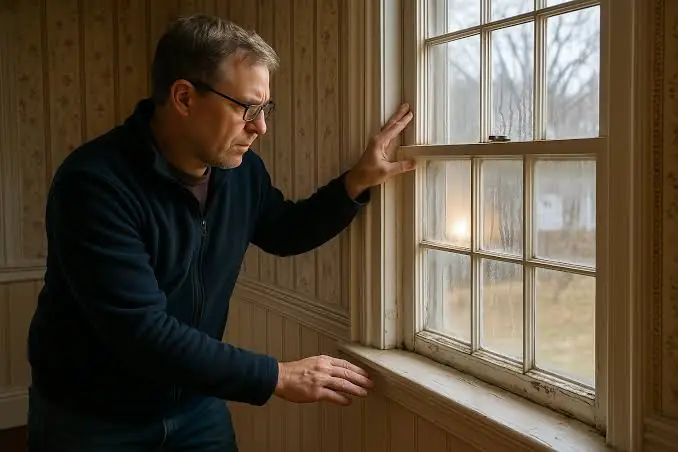
Residential building envelopes depend heavily on the structural and thermal performance of fenestration networks. Window assemblies regulate natural illumination, solar heat gain, conductive thermal loss, and acoustic isolation across living spaces. Best Window Replacement Solutions. When aging units degrade, interior environmental control deteriorates rapidly. Property owners face rising utility bills, uncomfortable floor drafts, and persistent condensation issues.
Selecting appropriate fenestration upgrades requires moving past simple retail product catalog browsing. A complete window assembly functions as an integrated structural and thermal barrier. Performance relies on framing material density, insulated glass unit engineering, warm-edge spacer technology, and perimeter flashing integration. Installing a high-performance unit into an improperly prepared rough opening leads to water infiltration and structural framing rot.
This comprehensive reference document establishes an analytical framework for evaluating fenestration retrofits. It explores structural material science, building physics, climate adaptation, cost dynamics, and long-term asset management. Readers will discover actionable technical insights designed to guide window replacement projects across diverse architectural typologies and geographic regions.
Understanding “best window replacement solutions”
Defining Technical Excellence in Fenestration
The phrase best window replacement solutions is frequently misinterpreted as a universal product ranking. Consumers often search for a single brand assumed to perform flawlessly across all building types. Industry specialists and building scientists recognize that geographic context dictates optimal performance. A triple-pane inert gas unit optimized for Minnesota winters performs inefficiently under extreme thermal expansion stress in desert environments.
Regional Climate Variations
Evaluating fenestration options requires acknowledging distinct regional climate zones established by energy codes. The United States spans diverse environmental zones, ranging from freezing northern conditions to humid southern coastal areas. Each climate zone demands specific U-factor ratings, solar heat gain coefficients, and air leakage parameters. Aligning window performance specifications directly with local climate dynamics ensures long-term energy efficiency and interior comfort.
Oversimplification Risks
Relying on generalized product reviews introduces significant physical and financial risk. Products praised in temperate coastal regions often fail when exposed to severe freeze-thaw cycles or high wind loads. True optimization requires matching framing engineering and glass coatings directly to structural loads, orientation, and moisture exposure levels.
Deep Contextual Background
Historical Evolution of Residential Windows
American residential construction reflects distinct historical eras, each utilizing specific fenestration typologies. Pre-war homes featured heavy timber frames and single-pane glass mounted in double-hung configurations. Post-war suburban expansion introduced lightweight aluminum frames and standardized rough openings. Late-twentieth-century building booms popularized rigid vinyl extrusions and insulated glass units designed for rapid assembly.
Shifts in Energy Standards and Building Codes
Federal energy policies and model energy codes transformed fenestration manufacturing requirements over past decades. Building codes now enforce strict adherence to local wind-borne debris standards in coastal areas and strict structural load ratings in high-altitude regions. Modern manufacturing standards incorporate multi-point locking hardware, low-emissivity coatings, and thermally broken frames to satisfy rigorous efficiency thresholds.
Supply Chain and Installation Dynamics
The modern fenestration industry relies on complex global supply networks for aluminum extrusions, polyvinyl chloride resins, and specialty glass. Simultaneously, skilled installation labor remains scarce across many metropolitan markets. Understanding these systemic factors explains why material quality alone does not guarantee performance; installation precision determines real-world durability.
Conceptual Frameworks and Mental Models
The Climate-Match Matrix Model
This framework pairs microclimates with corresponding thermal performance thresholds. It evaluates solar radiation exposure, average wind speeds, and seasonal temperature swings to determine whether heat retention or solar heat rejection takes priority.
The Whole-Assembly Thermal Concept
Fenestration ratings evaluate complete units rather than isolated glass panes. Frame conduction and edge-of-glass spacers heavily influence real-world thermal efficiency and resistance to interior condensation.
The Air Barrier Continuity Principle
An effective thermal envelope relies on an unbroken air barrier. A single unsealed gap around a window rough opening compromises the entire assembly, rendering high-performance glazing irrelevant if surrounding framing leaks air freely.
Key Categories and Material Variations
Vinyl Framing Extrusions
Extruded polyvinyl chloride profiles reinforced internally with steel channels. They offer economical thermal insulation with minimal upkeep, though extreme temperature fluctuations can induce frame expansion.
Pultruded Fiberglass Assemblies
Glass-fiber reinforced polymer profiles exhibiting exceptional structural strength and dimensional stability. They match the thermal expansion rate of glass perfectly, preventing perimeter seal failure.
Clad-Wood Construction Units
Natural interior wood surfaces protected by heavy extruded aluminum or composite exterior claddings. They deliver premium architectural aesthetics and robust weather resistance alongside higher initial costs.
Thermally Broken Aluminum Frames
Lightweight metal extrusions prized in modern architectural design and coastal high-wind zones. Structural polyamide thermal breaks prevent heat conduction through metal frames.
Composite Frame Formulations
Blended materials utilizing wood fiber and polymer resins to combine structural rigidity with moisture resistance. They offer strong performance metrics across moderate climate zones.
Pocket Versus Full-Frame Installation
-
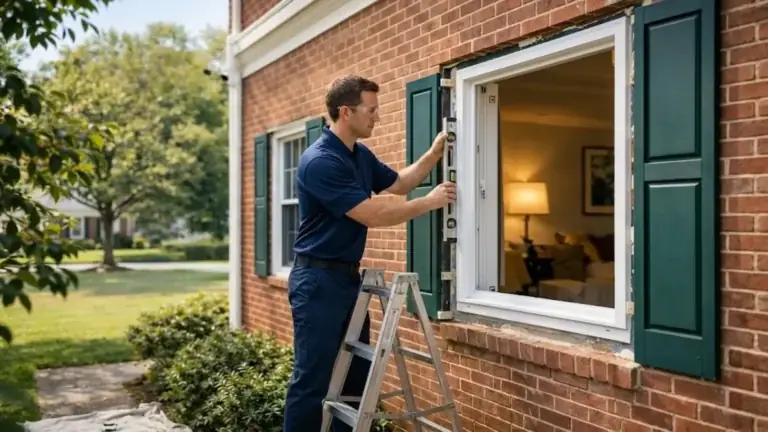
Pocket Replacements: Inserting new units into existing exterior frames, minimizing labor time and preserving interior trim.
-
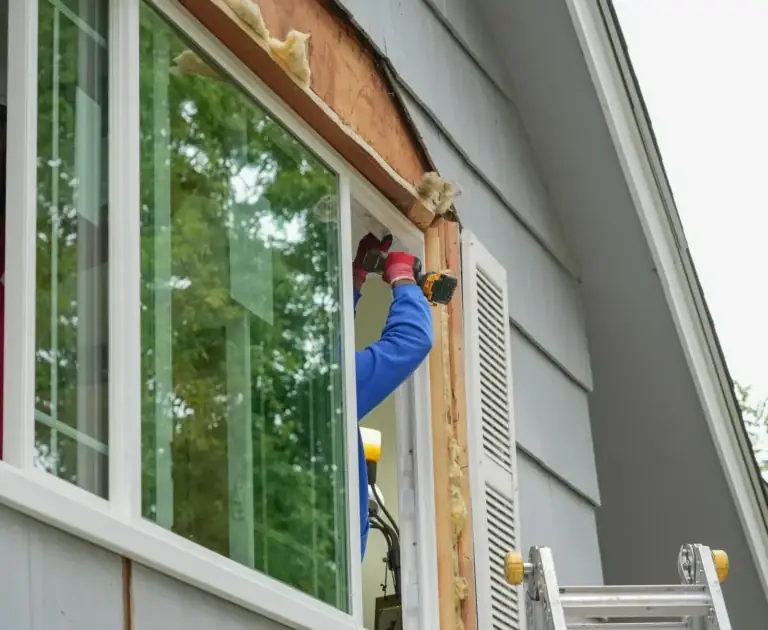
Full-Frame Replacements: Removing entire assemblies down to structural studs, allowing comprehensive flashing and insulation upgrades.
| Material Category | Initial Cost | Thermal Efficiency | Maintenance Demand | Expected Lifespan |
| Vinyl Extrusions | Low to Moderate | High | Low | 20 – 30 Years |
| Pultruded Fiberglass | High | High | Very Low | 35 – 50 Years |
| Clad-Wood Units | High | Very High | Moderate | 30 – 40 Years |
| Thermally Broken Aluminum | Moderate to High | Moderate | Low | 25 – 35 Years |
| Composite Profiles | Moderate | High | Low | 25 – 35 Years |
Decision Logic for Material Selection
Property owners should evaluate building codes and environmental exposures first. Coastal properties require marine-grade hardware and impact-resistant glazing. Northern climates prioritize low U-factors and heavy insulation packages. Identifying the best window replacement solutions depends entirely on these site-specific variables.
Detailed Real-World Scenarios Best Window Replacement Solutions
Scenario A: Historic Colonial Renovation
-
Constraints: Strict preservation rules prohibit altering exterior trim profiles, while harsh winters demand maximum heating efficiency.
-
Decision Points: Choosing between custom wood replicas and pocket inserts with interior storm panels.
-
Failure Modes: Installing modern vinyl frames ruins architectural sightlines and triggers municipal fines.
-
Second-Order Effects: Selecting custom clad-wood full-frame units with authentic muntin profiles satisfies historical review boards while slashing heating bills.
Scenario B: Coastal Hurricane Zone Upgrade
-
Constraints: Mandatory wind-borne debris building codes require impact-rated glass and reinforced framing anchors.
-
Decision Points: Selecting standard residential vinyl versus heavy-duty aluminum or fiberglass impact assemblies.
-
Failure Modes: Standard windows shatter during high-velocity wind events, leading to catastrophic interior pressurization.
-
Second-Order Effects: Installing laminated impact glass paired with reinforced pultruded fiberglass frames withstands severe storm impacts and lowers insurance premiums.
Scenario C: Desert Southwest Solar Management
-
Constraints: Intense solar radiation drives high cooling loads and fading interior furnishings throughout summer months.
-
Decision Points: Prioritizing low U-factor insulation versus low Solar Heat Gain Coefficient glass coatings.
-
Failure Modes: Standard clear glass lets solar heat pour inward, overwhelming HVAC systems and spiking electricity bills.
-
Second-Order Effects: Specifying double-pane units with spectrally selective Low-E coatings blocks infrared radiation, maintaining indoor comfort without sacrificing light.
Scenario D: Pacific Northwest Moisture Management
-
Constraints: Prolonged damp conditions and heavy rainfall challenge exterior building envelopes with persistent rot risks.
-
Decision Points: Selecting moisture-sensitive wood frames versus inert vinyl or fiberglass options.
-
Failure Modes: Unprotected wooden sills absorb wind-driven rain, leading to hidden fungal decay and framing rot.
-
Second-Order Effects: Installing fiberglass frames with sloped sill designs and integrated drainage paths prevents moisture accumulation and structural degradation.
Planning, Cost, and Resource Dynamics
Direct and Indirect Financial Allocation
Financial planning requires evaluating manufacturing expenses, delivery logistics, specialized contractor labor, and permit fees. Indirect costs involve scaffolding rentals, interior drywall restoration, and lead paint mitigation in older properties. Opportunity costs emerge when delayed projects disrupt household routines or rental revenue streams.
Understanding Price Variability
Contractor quotes vary substantially due to corporate overhead, sales commission structures, and labor classifications. High-overhead national organizations build extensive marketing budgets into product margins. Independent local operations maintain leaner cost structures, though their volume material discounts may be lower.
| Expense Category | National Average Range | Primary Cost Drivers |
| Vinyl Insert Replacements (Per Unit) | $450 – $900 | Unit size, glass package, local labor rates |
| Fiberglass Full-Frame (Per Unit) | $1,200 – $2,800 | Structural framing repairs, opening modifications |
| Clad-Wood Custom Units (Per Unit) | $1,800 – $4,000+ | Architectural complexity, wood species, hardware finish |
| Impact-Rated Coastal Units (Per Unit) | $1,500 – $3,500 | Laminated glass thickness, reinforced framing anchors |
Tools, Strategies, and Support Systems
Specialized Diagnostic Instruments
-
Thermal Imaging Cameras: Identifies air leakage pathways and thermal bridging across existing window assemblies.
-
Laser Distance Measuring Tools: Ensures precise rough opening dimensions to prevent custom manufacturing errors.
-
NFRC Rating Verification Portals: Independent databases used to verify certified U-factor and Solar Heat Gain Coefficient metrics.
-
Blower Door Testing Rigs: Measures whole-house air infiltration rates to quantify envelope sealing improvements.
Professional Support Systems
-
Municipal Building Inspectors: Local officials who review framing tie-ins, flashing adherence, and code compliance.
-
Certified Energy Auditors: Building science experts who perform environmental audits to guide material selection.
-
Fenestration Consultants: Independent specialists who write technical specifications for complex residential projects.
Risk Landscape and Failure Modes
Flashing Failures and Water Intrusion
Inadequate flashing integration remains the leading cause of premature failure in residential retrofits. When water bypasses weather-resistive barriers around window heads, it saturates framing studs, fostering hidden mold and structural rot.
Seal Failure in Insulated Glass Units
Manufacturing defects or aggressive thermal cycling can compromise hermetic seals in double-pane glass units. Argon gas escapes and moisture condenses between panes, obscuring vision and destroying thermal performance.
Structural Frame Distortion
Improperly shimming window frames during installation causes frame twisting, binding operating sashes and placing uneven stress on glass units. Omitting head flashing or using incompatible sealants leads to premature seal degradation.
Governance, Maintenance, and Long-Term Adaptation
Monitoring and Review Cycles
Property owners should conduct comprehensive inspections every spring and autumn. Inspectors must check exterior sealant integrity, operating hardware smoothness, and weather-stripping flexibility.
Operational Adjustment Triggers
-
Trigger 1: Drafts or whistling during high wind events indicate compressed weatherstripping has lost elasticity.
-
Trigger 2: Condensation appearing between glass panes signals hermetic seal failure requiring glass unit replacement.
-
Trigger 3: Sashes binding during seasonal humidity shifts require track cleaning or hinge adjustments.
Long-Term Maintenance Checklist
-
Clean exterior tracks, weep holes, and frames semi-annually to prevent drainage blockages.
-
Inspect exterior caulking joints annually and apply fresh polyurethane sealant where cracking occurs.
-
Lubricate mechanical hinges, tracks, and locking mechanisms yearly with silicone spray.
-
Maintain balanced indoor relative humidity levels to prevent condensation stress on frames.
Measurement, Tracking, and Evaluation
Leading and Lagging Indicators
Leading indicators include verifying contractor licensing, securing detailed itemized bids, and choosing products certified for specific regional climate zones. Lagging indicators encompass measurable reductions in utility bills, absence of moisture leaks during severe storms, and smooth operational performance across annual temperature cycles.
Documentation Standards
-
Maintain a digital archive containing signed contracts, approved shop drawings, building permits, and lien release waivers.
-
Keep manufacturer warranty certificates and specific installer labor guarantees in a permanent property file.
-
Record thermal imaging reports before and after installation to document thermal envelope improvements.
Common Misconceptions and Oversimplifications Best Window Replacement Solutions
Myth 1: The Most Expensive Window Is Always the Best Choice
High-end architectural windows feature luxury hardwoods or complex custom shapes that do not necessarily improve thermal performance in standard residential settings.
Myth 2: All Energy Star Certified Windows Perform Identically
Energy Star ratings group vast geographic regions together. A window certified for the Northern zone may lack the solar heat gain properties required for southern climates.
Myth 3: DIY Installation Saves Money Safely
Without professional carpentry and flashing experience, measuring errors and improper waterproofing can cause thousands of dollars in hidden structural water damage.
Myth 4: Vinyl Windows Never Require Maintenance
While vinyl extrusions resist rotting, moving parts require regular lubrication, and perimeter caulking demands periodic inspection and replacement.
Myth 5: Triple-Pane Glass Is Mandatory Everywhere
In moderate coastal climates, the high initial cost of triple-pane glass packages rarely yields enough energy savings to justify the investment compared to double-pane Low-E units.
Myth 6: Full-Frame Replacement Is Always Superior
When existing exterior framing and structural headers remain sound, pocket installations deliver identical thermal performance at a fraction of the labor and material cost.
Ethical, Practical, and Contextual Considerations
Investing in durable fenestration balances financial expenditure with resource stewardship. Choosing high-efficiency materials reduces fossil fuel consumption over decades, supporting broader environmental goals. Evaluating best window replacement solutions reflects a commitment to both personal comfort and architectural longevity. Practicing responsible property management means recognizing that achieving long-term performance requires patience, rigorous technical evaluation, and respect for building science principles.
Conclusion
Navigating fenestration upgrades across North America requires analytical rigor, regional climate awareness, and strict attention to installation details. Identifying the best window replacement solutions demands looking past commercial marketing to evaluate structural performance, material durability, and building science principles. Property owners who approach these projects with methodical discipline secure lasting indoor comfort, energy efficiency, and structural integrity for decades to come.