Best Window Replacement for Energy Efficiency: A Comprehensive Guide
Residential structures lose substantial thermal energy through building envelope vulnerabilities. Fenestration assemblies act as primary conduits for heat transfer, solar radiation intrusion, and uncontrolled air exchange. Best Window Replacement for Energy Efficiency. When heating and cooling bills escalate without apparent cause, aging window units frequently serve as the root mechanical culprit. Addressing these losses requires moving past superficial aesthetic upgrades to focus entirely on building science and thermal physics.
Selecting appropriate fenestration upgrades involves navigating complex material engineering standards. Standard off-the-shelf products fail to account for regional climate variations, pressure differentials, and thermal bridging dynamics. Property owners often purchase residential glass packages based on marketing claims rather than certified performance ratings. This mismatch results in compromised indoor comfort and persistent energy waste.
Achieving long-term climate stability within a home demands a systematic methodology. Architects, energy auditors, and building scientists analyze thermal transmittance, solar heat gain coefficients, and air leakage rates to optimize building performance. Identifying the best window replacement for energy efficiency requires matching engineering metrics directly to local environmental pressures and structural requirements.
Understanding “best window replacement for energy efficiency”
The phrase best window replacement for energy efficiency is frequently misunderstood as a universal product ranking. Consumers frequently search for a single brand acclaimed in consumer publications. Building scientists recognize that geographic context invalidates one-size-fits-all assumptions. A triple-pane glass unit optimized for freezing northern winters performs poorly under intense thermal stress in southern desert climates.
A primary driver of confusion involves conflicting performance metrics. U-factor measures heat retention, while solar heat gain coefficient tracks radiation transmission. Balancing these competing variables requires matching products to specific regional energy codes. Oversimplifying this selection process introduces severe operational inefficiencies and inflated utility expenditures.
Choosing materials without structural analysis leads to frame warping and seal rupture. Property owners must evaluate how framing coefficients of thermal expansion interact with glass assemblies. True optimization bridges aesthetic desires with rigorous building physics. Evaluating the best window replacement for energy efficiency requires systematic alignment between architectural style and thermal engineering.
Deep Contextual Background
Residential fenestration evolved through distinct industrial eras. Early American homes featured heavy timber frames and single-pane glass set in double-hung sashes. Mid-century expansion introduced mass-produced aluminum extrusions and standardized rough openings. Modern manufacturing prioritizes multi-chambered thermal profiles, advanced Low-E coatings, and noble gas fills.
Regulatory shifts over recent decades transformed building standards. Energy codes tightened significantly, pushing manufacturers to improve thermal resistance. Concurrently, coastal regions adopted strict wind-borne debris mandates. Understanding this history explains why modern upgrades require sophisticated engineering rather than basic carpentry.
Conceptual Frameworks and Mental Models
The Thermal Transmittance Hierarchy
This mental model evaluates how heat moves through conduction, convection, and radiation. Designers prioritize minimizing U-factor in cold climates and reducing solar heat gain in warm regions.
The Whole-Assembly Performance Concept
Fenestration ratings must evaluate complete units rather than isolated glass panes. Frame conduction and spacer technology heavily influence real-world thermal efficiency.
The Air Barrier Continuity Principle
An effective thermal envelope relies on an unbroken air barrier. A single unsealed gap around a window rough opening compromises the entire assembly, rendering high-performance glass irrelevant.
Key Categories or Variations
Executing a successful renovation requires evaluating distinct material categories. Each option presents unique mechanical, aesthetic, and structural trade-offs.
Vinyl Framing Systems
Extruded polyvinyl chloride profiles reinforced internally with steel channels. They offer economical thermal insulation with minimal upkeep.
Fiberglass Pultruded Assemblies
Glass-fiber reinforced polymer profiles exhibiting exceptional structural strength and dimensional stability. They match glass expansion rates perfectly.
Clad-Wood Construction Units
Natural interior wood surfaces protected by heavy exterior aluminum claddings. They deliver premium aesthetics alongside high manufacturing costs.
Thermally Broken Aluminum
Lightweight metal extrusions featuring internal thermal barriers. They suit modern architectural designs and coastal high-wind zones.
Composite Frame Innovations
Blended materials utilizing wood fiber and polymer resins. They offer balanced performance metrics across moderate climate zones.
Pocket Versus Full-Frame Installation
Pocket installations insert new units into existing frames, saving labor time. Full-frame installations remove old assemblies down to structural studs, allowing comprehensive flashing upgrades.
| Material Category | Initial Cost | Thermal Efficiency | Maintenance Requirement | Expected Lifespan |
| Vinyl Extrusions | Low to Moderate | High | Low | 20 – 30 Years |
| Pultruded Fiberglass | High | High | Very Low | 35 – 50 Years |
| Clad-Wood Units | High | Very High | Moderate | 30 – 40 Years |
| Thermally Broken Aluminum | Moderate to High | Moderate | Low | 25 – 35 Years |
| Composite Profiles | Moderate | High | Low | 25 – 35 Years |
Decision Logic for Material Selection
Property owners should evaluate building codes and environmental exposures first. Coastal properties require marine-grade hardware and impact-resistant glazing. Northern climates prioritize low U-factors and heavy insulation packages. Identifying the best window replacement for energy efficiency depends entirely on these site-specific variables.
Detailed Real-World Scenarios Best Window Replacement for Energy Efficiency
Scenario A: Historic Colonial Renovation
Strict preservation rules prohibit altering exterior trim profiles. Choosing between custom wood replicas and pocket inserts with interior storm panels defines the core decision. Custom wood units preserve architectural heritage while satisfying review boards.
Scenario B: Coastal Hurricane Zone Upgrade
Mandatory wind-borne debris codes require impact-rated glass and reinforced framing anchors. Selecting standard residential vinyl fails structural inspections. Installing laminated impact glass paired with reinforced fiberglass frames ensures storm resilience.
Scenario C: Desert Southwest Solar Management
Intense solar radiation drives high cooling loads throughout summer months. Prioritizing low Solar Heat Gain Coefficient glass coatings prevents indoor overheating and reduces HVAC strain.
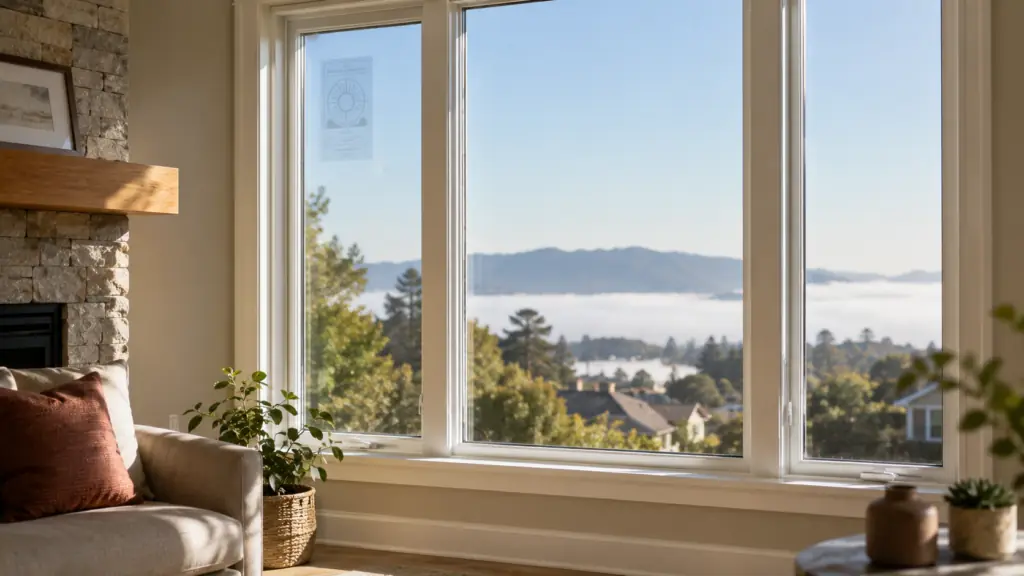
Scenario D: Pacific Northwest Moisture Management
Prolonged damp conditions challenge building envelopes with persistent rot risks. Selecting moisture-resistant fiberglass options prevents hidden fungal decay in framing studs.
Planning, Cost, and Resource Dynamics
Financial planning requires evaluating manufacturing expenses, delivery logistics, specialized contractor labor, and permit fees. Indirect costs involve scaffolding rentals and interior drywall restoration.
| Expense Category | National Average Range | Primary Cost Drivers |
| Vinyl Insert Replacements (Per Unit) | $450 – $900 | Unit size, glass package, local labor rates |
| Fiberglass Full-Frame (Per Unit) | $1,200 – $2,800 | Structural framing repairs, opening modifications |
| Clad-Wood Custom Units (Per Unit) | $1,800 – $4,000+ | Architectural complexity, wood species, hardware finish |
| Impact-Rated Coastal Units (Per Unit) | $1,500 – $3,500 | Laminated glass thickness, reinforced framing anchors |
Tools, Strategies, and Support Systems
Thermal Imaging Cameras
Identifies air leakage pathways and thermal bridging across existing assemblies.
Laser Distance Measuring Tools
Ensures precise rough opening dimensions to prevent custom manufacturing errors.
Independent Energy Auditors
Conduct blower door tests to quantify overall envelope air leakage.
Contractor Vetting Portals
Aggregates state licensing records, insurance certificates, and dispute histories.
Risk Landscape and Failure Modes
Inadequate flashing integration remains the leading cause of premature failure. When water bypasses weather-resistive barriers, it saturates framing studs, fostering mold growth. Hermetic seal failures in insulated glass units cause gas escape and interior condensation.
Governance, Maintenance, and Long-Term Adaptation
Property owners should conduct comprehensive inspections every spring and autumn. Cleaning exterior tracks, lubricating mechanical hinges, and checking sealant integrity ensures long-term operational reliability.
Measurement, Tracking, and Evaluation
Leading indicators include verifying contractor licensing and choosing climate-appropriate products. Lagging indicators encompass measurable reductions in utility bills and absence of moisture leaks during severe weather events.
Common Misconceptions and Oversimplifications Best Window Replacement for Energy Efficiency
Myth 1: Expensive Windows Eliminate All Maintenance Needs
Moving parts require regular lubrication and seals need periodic inspection regardless of initial purchase price.
Myth 2: All Energy Star Certifications Perform Identically Across Regions
Ratings group diverse climate zones with distinct thermal thresholds together.
Myth 3: DIY Installation Saves Money Safely
Improper flashing causes expensive structural water damage that outweighs initial labor savings.
Ethical, Practical, and Contextual Considerations
Investing in durable fenestration balances financial expenditure with resource stewardship. Choosing high-efficiency materials reduces fossil fuel consumption over decades, supporting broader environmental goals. Securing the best window replacement for energy efficiency reflects a commitment to both personal comfort and architectural longevity.
Conclusion
Selecting the best window replacement for energy efficiency demands analytical rigor, regional climate awareness, and strict attention to installation details. Property owners who approach these projects with methodical discipline secure lasting indoor comfort and structural integrity.